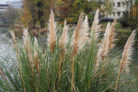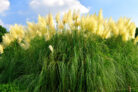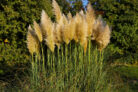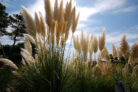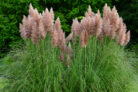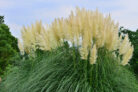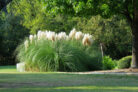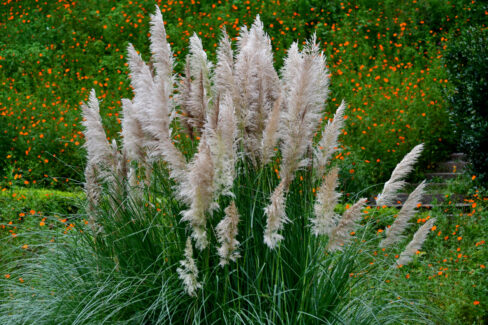
When autumn rolls around, most of us gardeners are itching to grab our shears and start tidying up. For a lot of plants, a good fall haircut is exactly what they need to settle in for their winter nap. But when it comes to pampas grass, putting those shears away until spring is actually the best thing you can do for your plant.
An Exotic Beauty
As you can probably guess from the name, pampas grass is a South American native. In its natural habitat, it deals with everything from scorching summer heat to freezing winter temps. Because of this, it’s actually pretty hardy when it comes to frost. The real enemy for pampas grass in our climate isn’t the cold—it’s the wet, soggy winter weather. And that’s exactly why a fall pruning is a bad idea.
Let the Leaves Do the Work
Cutting back those stalks and plumes in the fall leaves the “heart” of the plant (the crown) totally exposed. During the winter, the standing foliage acts like a natural umbrella, shedding water away from the center of the plant. Even if the leaves turn brown after the blooming season—which happens even to evergreen varieties—you should leave them alone. Instead of cutting, your best bet is to tie the grass together in a bundle. This prevents moisture from pooling in the root zone, which is the number one cause of root rot. Plus, those leaves provide a nice layer of insulation against deep freezes.
Spring Cleaning Time
The perfect time to give your pampas grass a trim is in the spring. You want to clear out the old, dead growth to make room for the fresh green shoots. Just wait until the worst of the hard frosts have passed, then follow these steps:
- Grab a handful of stalks in one hand.
- Use your shears or a sharp knife with the other.
- Cut the bundle about a hand-width above the ground.
- Be careful not to nick any of the new, bright green growth emerging from the bottom.
Pro tip: Cutting it in bundles makes cleanup a breeze because you can toss the clumps straight into your wheelbarrow. If you just go at it with hedge trimmers without bundling first, you’ll spend way more time raking up individual straws than you did actually cutting!
Safety First!
One big perk of waiting until spring is that the old leaves are a bit softer, but don’t let that fool you—pampas grass is famous for its razor-sharp edges. To avoid “paper cuts” from the garden, always wear long sleeves and a sturdy pair of work gloves. Your hands will thank you!
The “Combing” Method
If you have an evergreen variety and the winter was mild, you might find that a lot of the stalks are still green and healthy. In this case, a radical buzz cut might be overkill. Instead, try “combing” the plant. First, snip off any completely dead flower stalks near the base. Then, wearing those heavy-duty gloves, run your hands through the grass to pull out the loose, dead blades. Usually, the dead stuff has rotted slightly at the base and will pull right out, leaving the healthy green blades intact.
What to Do with the Scraps
Don’t just toss those long stalks directly onto the compost pile. Since pampas grass isn’t a native species, it’s a good idea to clip off the plumes (the fluffy tops) and dispose of them separately so you don’t accidentally seed your whole neighborhood. As for the stalks, they take a while to break down, so run them through a wood chipper or shredder first if you want to compost them. Fun fact: If you have horses, these dried stalks actually make pretty decent bedding!