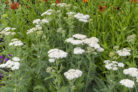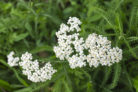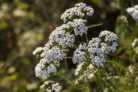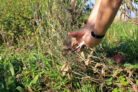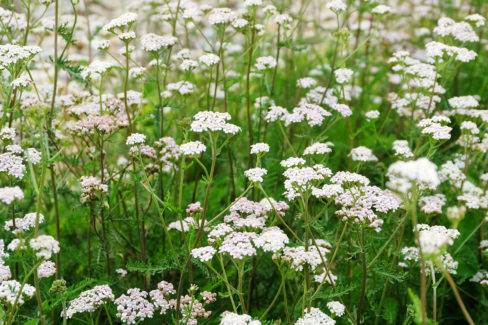
Low-maintenance yarrow is a tough cookie that you’ll often spot growing wild along forest edges, roadsides, and open fields. Out in the wild, it does just fine on its own, but if you want it to look its best in your home garden, you’ll want to give it a good trim at least once a year.
Deadheading and Cutting Back
Even though yarrow is completely winter-hardy and can stay outside year-round without a worry, the parts of the plant above ground will eventually die back and dry out after the blooming season. Exactly when you clear that away is up to you, but you definitely want to cut it back at some point to make room for fresh new growth.
Generally, you have two main windows for this:
- In the fall, before the winter sets in.
- In the spring, once the worst of the cold has passed.
The Fall Prune
You can cut back the withered stems in late autumn. Since yarrow doesn’t need extra winter protection, it doesn’t really “need” those old stems to stay warm. In fact, if the foliage looks soggy or shows signs of rot, it’s best to get it out of there before winter hits.
The Spring Prune
On the flip side, many gardeners (myself included!) think those dried brown stalks look pretty cool covered in frost or snow. As long as the stems aren’t rotting, feel free to leave them standing for some winter interest and wait until spring to tidy things up.
Putting Your Yarrow to Use
Since yarrow is a classic medicinal herb and looks great in arrangements, you’ll probably find yourself snipping it throughout the season anyway.
If you want to use the blooms for dried flower arrangements, pick them on a warm, dry day and hang them upside down in a breezy spot to dry out. Dried yarrow is also fantastic for homemade teas, natural seasonings, or even as a soothing addition to your bath.
Keeping It Under Control
Yarrow is a bit of a free spirit—it spreads naturally through self-seeding and underground runners. If you don’t want it taking over your entire flower bed, make sure to cut the flower heads off as soon as they start to fade. This stops the seeds from forming and spreading everywhere.
Encouraging a Second Bloom
Here’s a pro tip: if you cut the plant back right after the first flush of flowers, you might just get a second round of blooms in the same year. It’s not a 100% guarantee, but it definitely boosts your chances of seeing those colors again before the season ends!