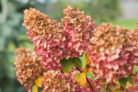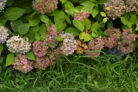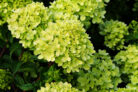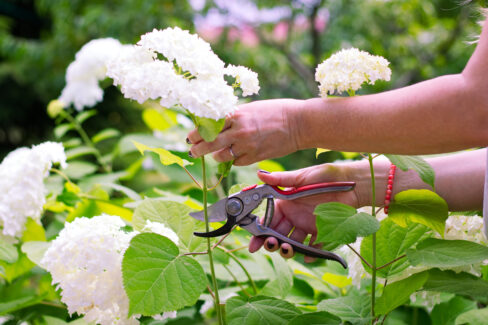
Whether you’re looking to tidy up your garden or save those gorgeous blooms for indoor decor, knowing when and how to snip your hydrangeas is key. Cutting back the flowers isn’t just about looks; it’s about keeping your plants healthy and vibrant. Here’s my guide on how to handle your hydrangea blooms like a pro so they keep coming back stronger every year.
Pruning for Plant Health
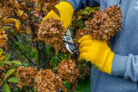
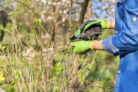
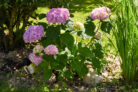
Hydrangeas are famous for those big, romantic flower heads. If you’ve picked the perfect spot and your soil pH is just right, you’ll be rewarded with a long blooming season. As long as fall isn’t knocking on the door yet, you should definitely deadhead those fading blooms. By removing the wilted flowers, you’re telling the plant to stop wasting energy on old growth and focus on staying strong—often, this even encourages a second flush of flowers!
Here are a few pro tips for the perfect cut:
- Always use a sharp pair of pruning shears.
- Sanitize your blades before you start to prevent spreading plant diseases.
- Take it slow and prune step-by-step so you don’t overdo it.
Cutting Blooms for Preserving
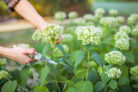
One of my favorite things about hydrangeas is that they make amazing dried flowers. To preserve them, you’ll want to cut them when they are in peak bloom. Pick out the most beautiful clusters and cut the stem about 8 inches (20 cm) below the flower head at an angle. These dried “flower balls” are perfect for rustic home decor or DIY floral arrangements.
How to dry your hydrangea cuttings:
- Strip all the leaves off the stems you’ve cut.
- Place them in a vase.
- Add just enough water so about 4 inches (10 cm) of the stem is submerged.
- Here’s the trick: Don’t add any more water! As the water evaporates, the flowers will naturally dry out and hold their shape.
Hands Off Before Winter
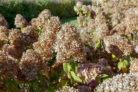
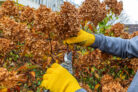
Once autumn rolls around, it’s time to put the shears away. I recommend leaving the spent blooms on the plant over the winter. Not only do they look magical when covered in a light dusting of snow, but they actually act as a natural winter coat, protecting the new buds from the frost. You can simply snip off those dried-out stems once the fresh growth starts in the spring.