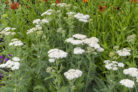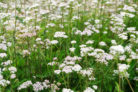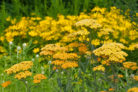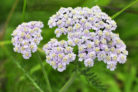
The flowers of the yarrow plant are the real calling card of this member of the Asteraceae family. They’re a favorite in the kitchen and the herbal medicine cabinet, and you can usually harvest them all summer long. However, exactly when they pop up depends on a few different things.
Yarrow is a Perennial
Yarrow isn’t just hardy; it’s a perennial. This means it’ll sprout back every year, bringing fresh blooms with it. That’s exactly why it’s such a popular, low-maintenance, and easy-going addition to any home garden.
When Does it Bloom?
The exact blooming window for yarrow depends on your local location and weather, as well as which specific variety you’re growing. Generally speaking, though, you can expect to see those flowers anytime between May and September.
What Makes the Flowers Special?
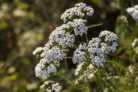
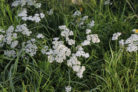
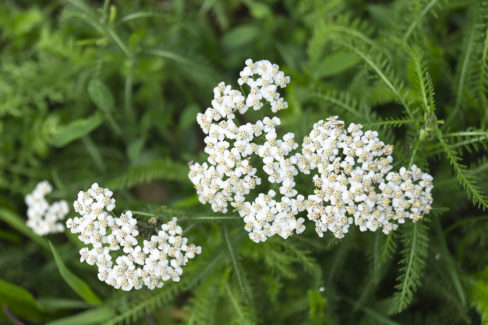
Yarrow flowers can vary slightly depending on the species, but most of the time, you’ll see them in shades of white or a soft cream color. All varieties share a common trait: they grow in flat-topped clusters called “false umbels.” Just a heads-up for my friends with allergies—since yarrow is part of the daisy (Compositae) family, it can sometimes trigger a reaction if you’re sensitive to those types of plants.
Watch Out for Look-Alikes
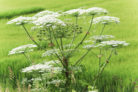
Because of the way the flowers look, yarrow is often confused with other plants. If you accidentally mix it up with Cuckooflower (which is also edible), you probably won’t even notice. However, it gets dangerous if you mistake it for toxic look-alikes like:
- Poison Hemlock
- Giant Hogweed
Deadheading for a Second Bloom
If your first round of yarrow flowers starts to fade early in the season, you might be able to coax out a second flush of blooms! Just trim off the wilted flowers right away. You’ll get the same effect if you’re harvesting the flowers for DIY projects—cutting them back encourages the plant to put its energy into making new blossoms. While it’s not a 100% guarantee, it definitely tips the scales in your favor.
Pruning After Winter
If you like the way the dried flower stalks look in the frost, feel free to leave them standing all winter for some garden texture. If you go that route, just make sure to cut them back by the following spring at the latest to make room for new growth.