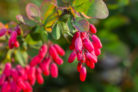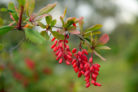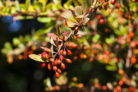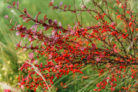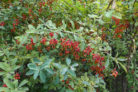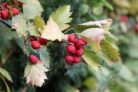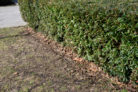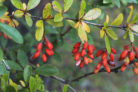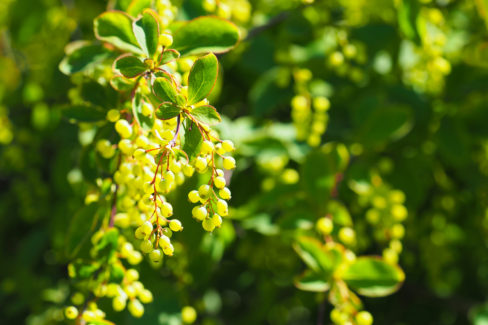
Barberry (Berberis) is a total staple in home gardens, and for good reason! Whether you’re looking for a standout specimen shrub, a secure hedge, or a low-maintenance groundcover, barberry is incredibly versatile. Plus, it’s one of those “set it and forget it” plants that’s super easy to grow.
Ways to Use Barberry in Your Landscape
One of the best things about barberry is how many roles it can play in your yard. Here are the most popular ways to plant it:
- As a standalone focal point (specimen shrub)
- As a thorny, deer-resistant hedge
- As a colorful groundcover
- As a statement piece in pots or containers
Finding the Perfect Spot
No matter how you plan to grow it, picking the right location is the secret to a happy, healthy plant. Barberries love the sun! Aim for a spot that gets full sun to partial shade. You’ll definitely want to avoid deep shade, as the plant won’t grow as thick and those vibrant leaf colors will start to fade.
When is the Best Time to Plant?
Technically, you can put barberry in the ground anytime the soil isn’t frozen. However, timing does matter a little bit depending on the variety. Evergreen barberries do best when planted in the spring. If you’re planting deciduous types (the ones that lose their leaves in winter), fall is also a great time to get them established.
How to Plant Your Barberry
Ready to get digging? Follow these simple steps to give your barberry the best start:
- Take your potted barberry and soak the root ball in a bucket of water until the bubbles stop rising. This ensures the roots are fully hydrated before they hit the dirt.
- Dig a hole that is roughly twice as wide as the root ball.
- Mix your garden soil with some aged compost or organic fertilizer like horn meal to give it a nutrient boost.
- Place the barberry in the hole and backfill it with your soil mix.
- To keep things low-maintenance, add a layer of mulch around the base. This acts as a natural fertilizer and helps retain moisture.
Getting the Spacing Right
Don’t forget to give your plants some breathing room! The right spacing depends on the specific variety and how you’re using it. Generally, you’ll want to space them anywhere from 15 to 40 inches apart.
A Pro Tip for Handling Barberry
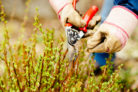
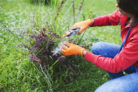
Here’s a heads-up: barberries are famous for their very sharp thorns. Always wear a thick pair of gardening gloves when handling them to protect your hands. While the thorns are only mildly toxic, they can cause skin irritation or nasty scratches if you aren’t careful. Safety first!