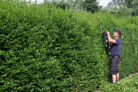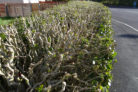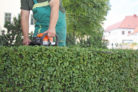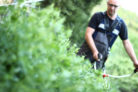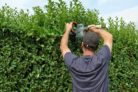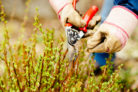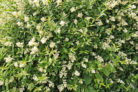
Sometimes, the best thing you can do for your privet is to give it a “hard rejuvenation prune.” In the gardening world, we often call this “cutting it back to the stump.” Basically, it’s a radical haircut that breathes new life into the plant. Not sure when to go that far? Let’s dive into when and why this move makes sense.
What Does It Actually Mean to Cut Privet Back to the Stump?
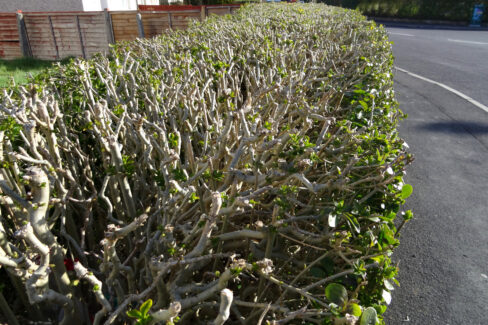
Cutting privet back to the stump is just a fancy way of saying you’re giving it a major pruning. We’re talking about a serious reduction in both height and width. To qualify as a true rejuvenation prune, you’re usually looking at cutting back about two-thirds of the entire plant. It sounds scary, I know, but privet is incredibly resilient!
The Main Reasons for a Radical Pruning
There are a few specific scenarios where you’ll want to be this aggressive with your shears. It usually comes down to the age and condition of your shrubs. The two big ones are:
- Young privet plants right after they’ve been put in the ground.
- Old, leggy, or “hollowed-out” privet bushes.
Pruning Young Privet Right Away
As soon as you finish planting your new privet hedge or individual shrub, you should actually give it a hard prune. I know it feels counterintuitive to cut down something you just planted, but it encourages the plant to branch out right from the base. This creates a thick, lush carpet of leaves from the ground up. Especially for privet hedges, this early radical cut is the secret to getting those individual plants to knit together into a dense, private screen.
Reviving Old Privet
It’s not just the youngsters that benefit; old-timers need some love too. Over the years, privet can get woody, sparse, and “see-through” at the bottom. By cutting it back to the stump, you’re hitting the reset button. This triggers the plant to send out vigorous new shoots and fresh green foliage, making the whole bush look brand new again.
The Best Timing for a Major Cut
If you’re planning a radical pruning, timing is everything. You want to catch the plant right before it starts its big spring growth spurt. Generally, March or early April is your sweet spot.
A Quick Note on Local Regulations and Wildlife
Before you go wild with the loppers, always check your local ordinances. Many areas have “blackout dates” for heavy pruning (often between April and September) to protect nesting birds. We want beautiful hedges, but we want to keep our feathered friends safe, too! Always do a quick check for nests before you start any major garden project.