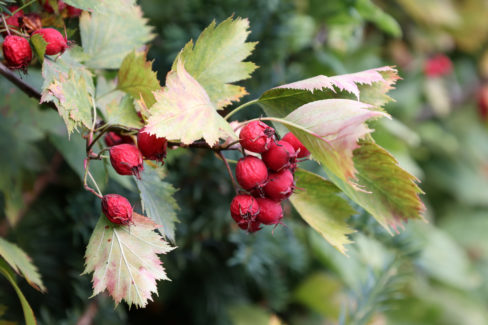
Barberry is a total staple in the gardening world, and for good reason—it’s incredibly versatile! Whether you’re looking for a privacy screen or a pop of color, this plant has you covered. I’ve put together a quick cheat sheet on everything you need to know about this garden favorite.
Key Characteristics of Barberry
Here’s a quick breakdown of what makes the Barberry tick:
The Basics
- Barberry belongs to the Berberidaceae family (try saying that three times fast!).
- It’s part of the *Berberis* genus, which boasts between 500 and 600 species worldwide, mostly hailing from Asia, Europe, and right here in the Americas.
- For the perfect spot, aim for full sun to partial shade with soil that is well-drained and loose.
- These plants are tough as nails and completely winter-hardy, so they’ll handle the frost just fine.
- Just a heads-up: the entire plant is slightly toxic, except for the berries.
What It Looks Like
- You can find both evergreen and deciduous varieties depending on the look you’re going for.
- The small leaves are usually oval-shaped with slightly serrated or prickly edges.
- Watch out for the thorns! They can grow up to 2 inches long and often branch out into multiple points.
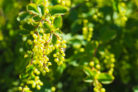
- In late spring (May to June), you’ll see beautiful clusters of yellow, disc-shaped flowers.
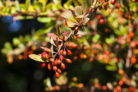
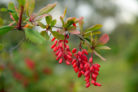
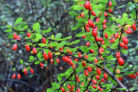
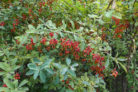
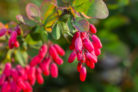
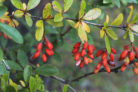
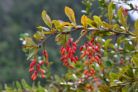
- Those iconic red berries grow to about half an inch long, and some varieties are even edible for us humans.
Ways to Use Barberry in Your Landscape
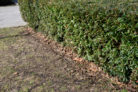
Barberry is like the Swiss Army knife of garden shrubs. Because there are so many species, you can use them as a dense, “keep-out” privacy hedge, a standalone focal point, or even as a groundcover. They also do great in pots and containers, making them a perfect choice for dressing up your patio, balcony, or front entryway.
Barberry as a “Wild Fruit” Hedge
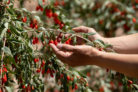
If you’re interested in a “wild fruit” hedge, you’ll want to look for the Common Barberry (*Berberis vulgaris*). In some places, it’s known as “Pipridge Bush” or “Sourspine” because of the tart flavor of its dark red berries. These fruits aren’t just a great snack for local birds; they’re actually edible for people, too! They’re great for making jams or adding a little zing to various recipes.