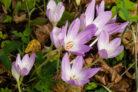
If you’ve got a garden, you might have run into a bit of a tricky guest: the Meadow Saffron (also known as Autumn Crocus). While they might look pretty, these plants can spread like wildfire if left unchecked. But here’s the real kicker—they are incredibly toxic. The poison they carry is actually quite similar to arsenic and can be fatal. To keep your family and pets safe, it’s really important to clear them out of your yard for good.
How to Successfully Get Rid of Meadow Saffron
If you’re thinking about reaching for the weed killer, I’ve got some bad news: chemical herbicides usually won’t do the trick. The bulbs sit so deep in the soil that the chemicals just can’t reach them. To really win this battle, you’ll need a little patience and this simple game plan:
- Start your removal process in May.
- Always wear sturdy gardening gloves.
- Simply pull the leaves straight out of the ground by hand.
- Collect all the foliage in a plastic bag and toss it in your regular trash bin (not the compost!).
- If you see a few stray leaves popping up the following spring, just repeat the process in May.
Why May? Well, that’s when the bulb is at its weakest. By ripping out the leaves—which are the plant’s main food source for growing new bulbs—you’re essentially starving it. Without those leaves, the plant won’t have the energy to produce flowers or new growth.
Don’t be discouraged if a few leaves show up again the next year. It’s easy to miss a couple of sprouts the first time around. Just keep pulling them as you see them. Eventually, the plant will give up, and your garden will be clear. Just remember: never put these toxic plants in your compost pile; they belong in the trash.
Safety First!
I can’t stress this enough: Meadow Saffron is highly toxic. Even a small amount can be deadly. That’s why you should never handle them without gloves. Once you’ve pulled the plants or dug up any bulbs, get them into the trash immediately. Never leave the bulbs lying around—they look shockingly similar to regular kitchen onions, and you definitely don’t want a mix-up in the kitchen.
Symptoms of poisoning usually don’t show up for two to six hours. Watch out for a burning sensation in the mouth or throat, difficulty swallowing, nausea, vomiting, or diarrhea. If you suspect someone has swallowed any part of the plant, call emergency services right away! The toxins can lead to respiratory failure and cardiac arrest. Stay safe out there!