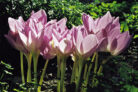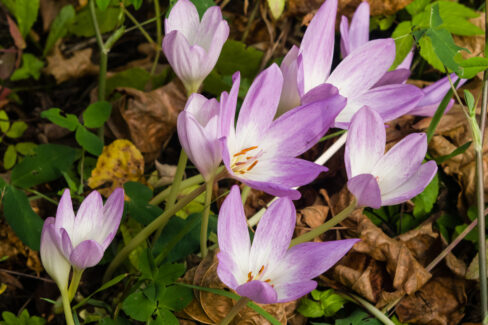
Sure, Meadow Saffron (also known as Autumn Crocus) produces stunning blooms, but don’t let those pretty flowers fool you. This plant is highly toxic, which is why most gardeners are extra careful about keeping it out of their flower beds. The real headache? Once it settles in, it’s incredibly stubborn and tough to get rid of.
Dealing with an Autumn Crocus Takeover
For many of us, the Meadow Saffron is more of a weed than a wildflower because of its high toxicity. Once it starts spreading via its numerous daughter bulbs, you’ll end up with a dense carpet of flowers in the fall. While it looks like a postcard, you really need to take action to keep your pets and family safe.
Digging vs. Weeding
Your first instinct might be to grab a shovel and try to dig out all the bulbs. Unfortunately, it’s not that simple with this plant. Getting rid of Meadow Saffron is all about timing and technique rather than brute force. Just tilling or digging up the soil rarely works. Instead, you have to understand its growth cycle and strike when the plant is at its weakest.
Timing is Everything
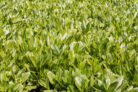
The absolute best time to tackle Meadow Saffron is in May. By late spring, the bulb underground has exhausted all its energy stores to push out those leaves. If you pull the leaves then, the bulb won’t have the “fuel” it needs to develop new flowers in the fall. Even the little daughter bulbs won’t be able to recover. Since the plant relies on its leaves for photosynthesis and nutrient storage, removing them at this critical moment prevents it from regenerating.
Here’s your game plan for getting rid of them:
- Grab a pair of sturdy gardening gloves and a plastic trash bag.
- In May, pull the leaves out by hand (make sure you’re wearing those gloves!).
- Put the plant parts into the plastic bag immediately.
- Seal the bag tightly and toss it in your regular household trash—don’t compost it!
What to do after Fall
You might see a few stray leaves popping up later in the year. Don’t panic—just wait until the following May and repeat the process. This manual removal method is actually much more effective than using harsh herbicides or trying to dig up the whole garden. Stick with it, and you’ll win the battle against this persistent plant!