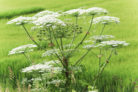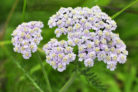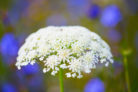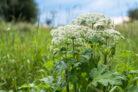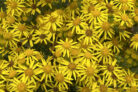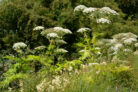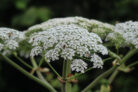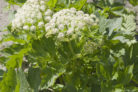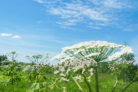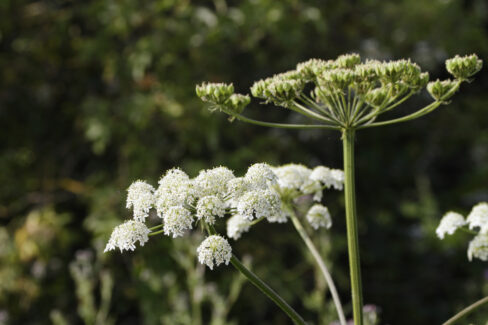
Giant Hogweed (scientifically known as *Heracleum mantegazzianum*) is a real troublemaker. It’s invasive, it’s toxic, and it’s spreading fast, which is why so many gardeners are on the warpath to get rid of it. But here’s the thing: in our rush to chop it down, some innocent “look-alike” wild plants often get caught in the crossfire. Not every plant that looks like Hogweed is out to get you!
Don’t pull these “mirror images”
The dangerous Giant Hogweed—also called the Hercules parsnip—can tower up to 10 feet tall, making it much bigger than most of its doubles. However, while it’s still growing, several harmless wild plants look almost exactly like it. You definitely don’t want to take the garden shears to these guys by mistake! Many of them are vital for the local ecosystem, and some are even edible or have medicinal properties. Before you go on the attack, make sure you know exactly how to identify Giant Hogweed. If you do, these helpful plants might just get to live another day:
- Ground Elder (*Aegopodium podagraria*)
- Greater Burnet-saxifrage (*Pimpinella major*)
- Sweet Cicely (*Myrrhis odorata*)
- Wild Angelica (*Angelica sylvestris*)
- Cow Parsley (*Anthriscus sylvestris*)
- Wild Fennel (*Foeniculum vulgare var. vulgare*)
- Wild Carrot (*Daucus carota subsp. carota*)
Poison Hemlock is even more toxic
Mistaking Giant Hogweed for Poison Hemlock (*Conium maculatum*) is a mistake even experienced gardeners can make. Both belong to the carrot family (umbellifers) and look incredibly similar. Even plant experts have to look closely at the fine details. Both Giant Hogweed and Poison Hemlock share these traits:
- Can grow up to 10 feet tall
- Bloom at the same time of year
- Feature white, umbrella-shaped flower clusters
- Have hollow stems with reddish-purple spots
- Feature large, deeply lobed, vibrant green leaves
In the end, whether you’re trying to remove Giant Hogweed or Poison Hemlock from your yard, the goal is the same: they’ve both got to go. You usually don’t have to report finding them on your own property, but if you spot them near a playground or public park, definitely give your local parks department a call. They’ll want to take care of it ASAP to keep kids safe.
Fool’s Parsley – another one to watch out for
Fool’s Parsley (*Aethusa cynapium*) is another one that can easily be mistaken for a young Giant Hogweed. If this wild plant pops up in your herb garden, there’s an even bigger risk: mistaking it for actual garden parsley. That’s a mistake you really don’t want to make, as eating Fool’s Parsley can have nasty consequences.
Safety first when handling toxic plants
When you’re dealing with heavy hitters like Giant Hogweed or Poison Hemlock, you have to suit up. Long sleeves, long pants, closed-toe shoes, heavy-duty gloves, and safety goggles are non-negotiable.
Pro Tip:
Try to tackle Hogweed on a cloudy or rainy day. The sap causes a “phototoxic” reaction, meaning it reacts with sunlight to cause severe skin burns. If you get sap on your skin and it’s cloudy out, the reaction won’t be nearly as intense as it would be in direct sun.