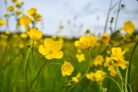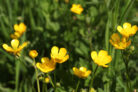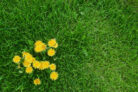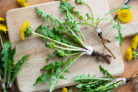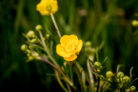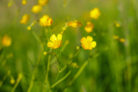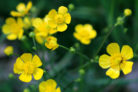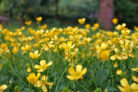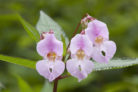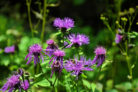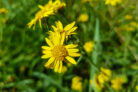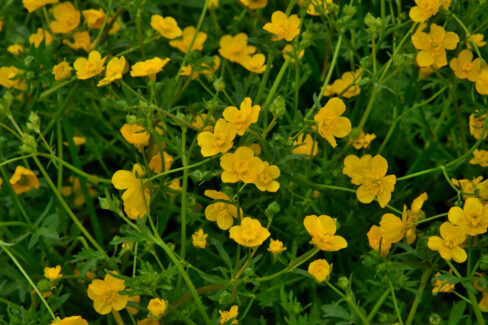
In the gardening world, the name “buttercup” (or *Butterblume* in German) gets tossed around for a few different plants. Most often, people are talking about either the common Dandelion or the Meadow Buttercup. Because of this, the question “Are buttercups edible?” isn’t a simple yes or no. Just because it has “butter” in the name doesn’t mean it belongs on your toast!
The Meadow Buttercup is toxic
The Meadow Buttercup (*Ranunculus acris*), which is what most people officially consider the “true” buttercup, is actually toxic. In fact, the entire buttercup family is poisonous and should not be eaten fresh. They contain a nasty little toxin called protoanemonin. However, there’s a catch: this toxin is neutralized when the plant is dried or heated. Back in the day, people actually used dried buttercup petals to give butter a richer yellow color—which is exactly how the plant got its nickname! But for us modern gardeners, it’s best to keep this plant family off the dinner plate.
Dandelions are totally edible
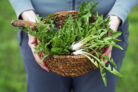
On the flip side, the “buttercup” known as the Dandelion is a culinary superstar. Like its namesake, dandelion petals can make butter look beautifully golden, but that’s just the beginning. You can use the entire plant: roots, leaves, buds, and flowers. Unlike the Meadow Buttercup, dandelions are safe to eat raw and are usually at their best when picked fresh from the garden.
Ways to use Dandelions in the kitchen
There are countless recipes out there featuring dandelions as the star ingredient. If you’re curious, a quick search online or a good wild herb cookbook will give you plenty of inspiration. Here are a few ways I like to use them:
- Toss fresh leaves and flowers into a summer salad.
- Sauté the leaves as a healthy substitute for spinach.
- Add leaves and petals to soups and sauces for extra flavor.
- Brew the leaves and roots into a detoxifying tea.
- Pickle the tight buds to make “poor man’s capers.”
- Use the yellow petals to whip up some dandelion “honey” (syrup).
Pro Tip:
Start slow when adding dandelions to your diet. If you eat too much at once, the high concentration of bitter compounds can sometimes lead to an upset stomach or a quick trip to the bathroom.
Dandelions as a healing herb
While eating dandelions is becoming trendy again, their medicinal properties are often overlooked. They really deserve more credit! Dandelions are packed with Vitamin C, iron, and carotene. Along with stinging nettles and ground elder, they are considered one of the “big three” most valuable wild herbs you can find. They help purify the blood, act as a natural diuretic, aid digestion, and have anti-inflammatory properties that can be a big help for those dealing with rheumatism or gout.
Where to find and harvest Dandelions
Dandelions love nitrogen-rich soil, so you’ll find them almost everywhere: open woodlands, roadsides, field edges, meadows, and—much to some homeowners’ chagrin—right in the middle of the lawn. The best time to harvest them is from April to early June. Just make sure you’re picking from “clean” spots—avoid busy roadsides, popular dog-walking paths, or fields that have been sprayed with chemical pesticides.