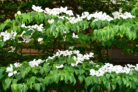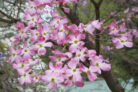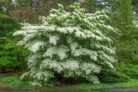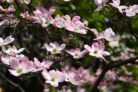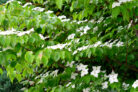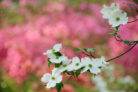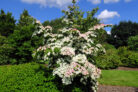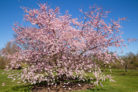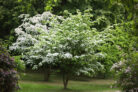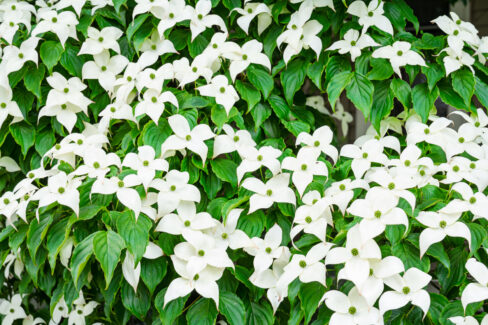
The Kousa Dogwood (*Cornus kousa*) is a stunning small tree that usually tops out around 20 feet. It’s famous for its gorgeous, orchid-like blooms and large, lush leaves. While it’s a total showstopper as a standalone focal point in your yard, it also plays really well with other flowering trees. The best part? Because it has such a naturally beautiful shape, you don’t need to worry about a heavy pruning schedule.
A Light Thinning is All You Need
When it comes to the Kousa Dogwood, less is definitely more. Generally, all you need to do is snip off any branches that suffered from frost damage once spring rolls around. If you feel like it’s getting a bit crowded, you can give your Kousa Dogwood a light thinning.
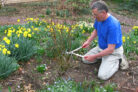
Focus on removing branches that are growing inward or crossing over each other. This opens up the center of the shrub to let in light and fresh air. If the branches get too dense, the tree won’t produce as many flowers or those cool-looking edible fruits. If you’re going for a light structural trim, the best time to do it is right after the flowers fade, usually around late June.
One quick pro-tip: these trees can be a bit sensitive to fungal infections. Always make sure your pruning shears are sharp and disinfected before you start cutting!
Managing Overgrown Trees
If you’ve planted your Dogwood as part of a privacy hedge or you’re growing one in a large pot, it might eventually outgrow its space. If it gets too big, you can either transplant it to a roomier spot or give it a trim.
Again, wait until after the blooming season to do this. Just be careful not to go overboard—radical “hard” pruning can cause permanent damage to the tree’s structure and health.
Pruning for Pests and Disease
Even though the Kousa Dogwood is pretty hardy, it can run into fungal issues if the soil is too wet or if it gets stressed by drought. Most problems pop up if the tree is in the wrong location or isn’t getting the right care.
If you spot a fungal infection, here’s your game plan:
- Cut back all affected branches, making sure to cut back into the healthy, green wood.
- Whatever you do, don’t throw those diseased clippings in your compost pile! Bag them up and toss them in the trash to prevent the fungus from spreading.
If the tree is just suffering from drought, you’ll see yellowing, crispy leaves. The tree will usually drop these on its own once it recovers, so there’s no need to reach for the shears in that case.
Extra Tips for Success
Since Kousa Dogwoods can be a bit pricey at the nursery, why not try growing your own? You can propagate them using cuttings in late spring or early summer. Just snip off a 6-inch shoot that doesn’t have any flowers on it and tuck it into some seed-starting mix. With a little patience, you’ll have a brand-new baby Dogwood ready to go!