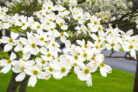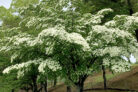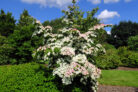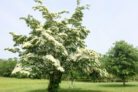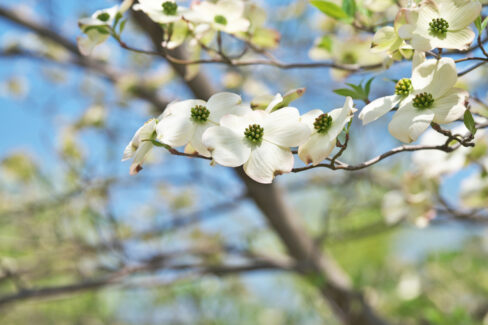
Dogwoods (also known by their botanical name, *Cornus*) are a total staple in the gardening world, and for good reason! They are incredibly versatile, working beautifully as privacy hedges, standout focal points, or even lush groundcovers. If you’re thinking about adding one to your yard, here’s everything you need to know to get it right.
So Many Ways to Plant
Depending on the variety you choose and the look you’re going for, dogwoods can wear a lot of different hats in your landscape. Some of the most popular ways to use them include:
- As a standalone specimen (solitary shrub)
- As a natural privacy hedge
- As a hardy groundcover
- In large pots or planter boxes
Finding the Perfect Spot
When you’re ready to dig, picking the right location is key. While dogwoods are generally tough-as-nails and very resilient, getting the light right is the secret to a happy, fast-growing plant. Sun tolerance varies a bit from species to species, but you’re usually playing it safe if you pick a spot with partial shade.
When to Plant
The best time to plant your dogwood is either in the spring or the fall. However, if you’re working with container-grown plants for your patio or balcony, you can actually get them in the ground (or a larger pot) pretty much year-round.
Give Them Some Elbow Room
One of the biggest mistakes gardeners make is crowding their plants. Always make sure you’re leaving enough space between your dogwoods and their neighbors.
Spacing for Hedges
If you’re dreaming of a dogwood hedge, spacing is everything. To get that nice, dense wall of foliage, I usually recommend planting them about three feet (one meter) apart. Just keep in mind that this can vary slightly depending on the specific variety and how fast it grows.
Spacing for Specimen Shrubs
If you’re planting a dogwood as a standalone feature, give it plenty of room to shine. Remember, some dogwoods don’t just grow up to 30 feet tall—they can get really wide, too! You don’t want it overtaking nearby plants or crowding out your garden beds as it matures.
Spacing for Groundcovers
Groundcover varieties might stay low to the ground, but they love to spread out horizontally. You’ll still want to keep a respectful distance from other shrubs so they don’t get smothered. On the flip side, if you want that “carpet” look quickly, don’t space the individual dogwood plants *too* far apart—you want them to knit together into a solid green rug.