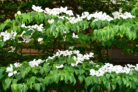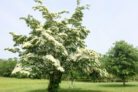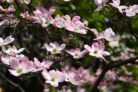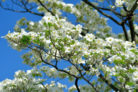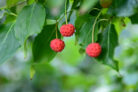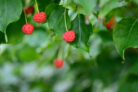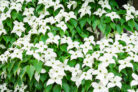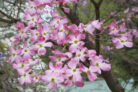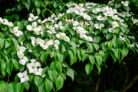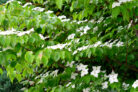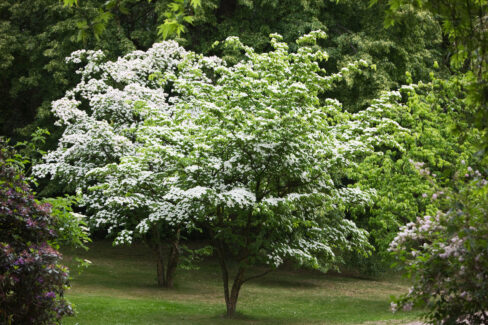
While the rest of the garden is still tucked away in its winter slumber, the Kousa Dogwood (*Cornus kousa*) is already waking up, announcing spring’s arrival with its brilliant blooms. This Asian ornamental beauty is a bit of a wallflower in the summer, but it really steals the show in the fall with its stunning foliage and fiery red fruits. If you’ve fallen in love with this exotic stunner, here’s everything you need to know to grow it like a pro.
Planting Your Kousa Dogwood
Most nurseries carry Kousa Dogwoods as container-grown plants, usually ranging from 2 to 6 feet tall. The great thing about container plants is that you can pop them into the ground almost any time of year—as long as the soil isn’t frozen, of course!
Here’s the game plan:
- Soak the root ball (still in its pot) in a bucket of water until the air bubbles stop rising.
- Dig a hole that’s two to three times wider than the root ball.
- Mix your excavated soil with a little compost, organic fertilizer (like horn shavings), or sand to improve texture.
- Take the plant out of the pot and set it in the hole so the top of the root ball is flush with the ground.
- Give it a good, deep soak and add a layer of mulch, like grass clippings or bark mulch, to keep moisture in.
- If you’ve got a young, single-stem plant that you want to train into a tree, give it some support with a stake. Use a soft, wide tie so you don’t damage that tender young bark.
Extra Care Tips
Until your Dogwood is well-established, keep a close eye on your watering schedule. Once it’s settled in after a few years, Mother Nature usually takes care of the rest with rain. You’ll only need to step in during those hot, dry summer spells—usually a deep soak once or twice a week for about 20 minutes with the garden hose does the trick.
In the fall, treat your tree to a nice helping of compost mixed with organic fertilizer. Every year or two, it’s also a good idea to thin out dead branches at the base to make sure plenty of light reaches the center of the canopy.
Kousa Dogwoods handle pruning really well. If you want to shape it, do so right after it finishes blooming. Just keep in mind that pruning then means you’ll lose some of those cool fall fruits!
Finding the Perfect Spot
A sunny spot is the secret to a massive flower show. While they can handle partial shade, you won’t get nearly as many blooms.
These trees have a very sturdy wood structure, so they don’t mind a bit of wind. As for the soil, they aren’t divas—they’ll grow happily in almost any standard garden soil.
Giving It Space
With the right care, this exotic beauty can get surprisingly big. It’s not uncommon for them to spread up to 10 feet wide! Left to their own devices, they can reach heights of 20 feet or more. To keep things from getting too crowded, I recommend a planting distance of at least 10 feet from other large plants.
The Right Soil
When it comes to dirt, the Kousa Dogwood is pretty low-maintenance. It’s happy in normal, moist to moderately dry soil. However, it does love its nutrients! You can give it a head start by mixing plenty of humus into the planting area.
Bloom Time
After a mild winter, you’ll see those bright yellow flower clusters from a mile away. Plus, the scent is incredibly sweet—it’s like a magnet for bees and butterflies looking for an early nectar snack. You can usually enjoy this floral display all the way into April.
Pruning Your Kousa Dogwood
Since it’s an early bloomer, you should prune it right after the flowers fade if it’s starting to outgrow its space. But honestly? You don’t *have* to prune it. It naturally grows into a beautiful, harmonious shape all on its own.
That said, a little “housekeeping” during the winter (when the leaves are gone) is a good idea. Removing dead wood, diseased branches, or limbs growing toward the center helps keep the tree healthy and prevents the inner branches from thinning out.
Watering Needs
This Asian beauty likes consistent moisture. It’s not a fan of “feet in the water” (standing water) but it hates drying out completely, too. If the rain isn’t cutting it, water whenever the top inch of soil feels dry. A 3-inch layer of mulch is your best friend here for keeping the roots cool and damp.
Fertilizing
To make sure your tree has enough energy for those spectacular late-winter blooms, give it a boost in the early fall. Between August and September, work about 3 quarts of compost and some organic fertilizer into the soil around the base.
For an extra pro-tip: water it with some comfrey tea. It’s packed with potassium, which helps the tree toughen up for the winter naturally.
Winter Protection
When they’re brand new to the garden, these trees aren’t quite “winter-tough” yet. For the first season, give them some extra love. Mulch the base with leaves, compost, and evergreen boughs, and wrap the young branches loosely with garden fleece if a hard freeze is coming.
Propagation
Buying established trees can get pricey, so why not try growing your own?
Here are two easy ways:
- In March, take softwood cuttings (from branches that didn’t bloom) and let them root in a pot.
- Try “layering”—bend a low-growing branch to the ground, nick the bark slightly, and cover that middle section with soil. It’ll eventually grow its own root system.
I’d skip trying to grow them from seed; it’s a long, finicky process that usually isn’t worth the headache.
The Fruit: Edible but Handle with Care
The fruits are actually edible, but there’s a catch. The leaves are covered in tiny hairs that can irritate your skin or cause an allergic reaction. Always wear long sleeves and garden gloves when you’re working with your Dogwood!
You can harvest the fruit in the fall. Just a heads-up: they aren’t great straight off the tree. They’re quite sour and will definitely make your mouth pucker! But if you cook them down into jams, syrups, or even liqueurs with plenty of sugar, those fiery red berries turn into a delicious, refreshing treat.