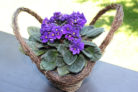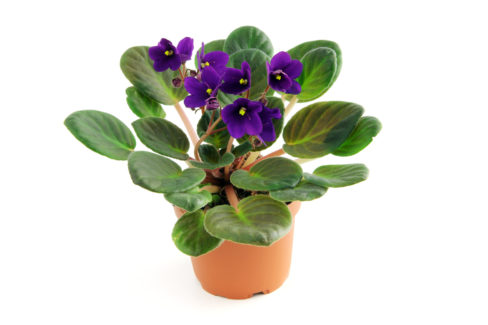
Happy African Violets are absolute bloom machines, and when they’re in the right spot, they can really take off! Because they grow so well, you’ll usually need to repot them every one to two years. It’s also the perfect time to divide them if they’re getting a bit crowded.
Why It’s Time to Repot
Even though these plants are pretty low-maintenance, there are a few clear signs that your violet needs a fresh home:
- Your violet has stopped blooming and needs a little “rejuvenation” boost.
- You see roots poking out of the drainage holes or creeping over the top of the soil.
- The plant has grown large enough to be divided.
- The potting mix looks old, crusty, or heavily compacted.
- The current pot is cracked or damaged.
When is the Best Time?
Generally, spring is the best time to tackle this project. Just a heads-up: try not to repot while your African Violet is in full bloom. You also want to wait until the plant is slightly root-bound. These guys actually love snug spaces and don’t need a massive pot to be happy. However, if the leaves are staying tiny or the plant looks a bit stunted, it’s definitely time for an upgrade.
How to Repot Your African Violet
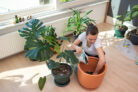
First things first: pick a new pot that is only about an inch or two wider than the old one. If you go too big, the plant will spend all its energy growing roots to fill the space, leaving no power left for those beautiful flowers! Make sure the pot has good drainage holes so the roots don’t sit in water. Here’s how to do it:
- Gently slide the African Violet out of its old pot.
- Fill the new pot about halfway with fresh potting soil (a standard mix with some perlite or clay granules works great).
- Remove any soggy or damaged leaves by giving them a quick tug away from the main stem. Don’t use scissors—pulling them off cleanly helps prevent pests and fungi from entering through a cut.
- Set the violet in the pot so the leaf rosette sits right on the rim.
- Leaving that little bit of space at the top creates a “watering rim,” which helps keep the leaves from sitting in wet soil and rotting.
- Give it a good drink, but make sure to pour out any excess water from the saucer.
- Place your plant in a bright, warm spot with decent humidity—kitchens and bathrooms are usually their favorite hangouts!