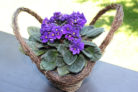
African violets are total classics for a reason—they’re generally easygoing and reward you with gorgeous purple, red, white, or bicolor blooms right on your windowsill. But let’s be real: it’s super frustrating when your violet decides to go on a “blooming strike.” If you’re staring at a plant that’s all leaves and no flowers, there are usually a few specific culprits behind it.
Why isn’t my African violet blooming?
If your plant is refusing to flower, it’s likely reacting to one of these common issues:
- The wrong location
- Too much direct sun
- Frequent drafts
- Watering mistakes
- Nutrient deficiency
- Pests or diseases
To keep your African violets happy and blooming long-term, you just need to nail a few basic care requirements.
Finding the perfect spot
African violets love bright, indirect light. You definitely want to avoid harsh, direct sunlight—if your plant is baking in the midday sun, it’ll stop blooming pretty quickly. Aim for a spot that stays around 70°F (20°C) with plenty of humidity. Honestly, a bright bathroom is often the perfect home for them! If yours is in the living room, a humidifier or a small indoor fountain can help create that tropical vibe they crave. Also, watch out for drafts and chilly surfaces. Even a marble windowsill can be too cold for their sensitive roots—giving them “cold feet” that stunts flowering. A simple wooden coaster or trivet under the pot can make a huge difference.
Watering 101
Keep the soil consistently moist, but not soggy. These plants are a bit picky about their water, so try to use filtered water or rainwater if your tap water is hard.
Feeding your plant
To get those lush, show-stopping flowers, African violets need a little boost. Give them some liquid fertilizer about every two weeks, especially during their peak growing season from March to September. If you notice the roots are completely filling the pot, it’s time to refresh the soil and give them some room to breathe.
Dealing with pests and diseases
Sometimes, a lack of flowers is a sign of uninvited guests. African violets are unfortunately magnets for a few specific pests:
- Spider mites
- Aphids
- Mealybugs
- Leaf nematodes
If you spot any critters, act fast with natural remedies. Often, a gentle rinse or a wipe-down with mild soapy water does the trick. If home remedies don’t work, you might need to step up to a commercial treatment. You should also keep an eye out for Mosaic Virus or root rot. Mosaic Virus causes leaves to yellow and die off; sadly, there’s no cure for this, so it’s best to toss the plant in the trash to protect your other greenery. Root rot usually happens from overwatering—if you catch it early, repotting immediately into fresh, dry soil might just save the day.