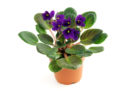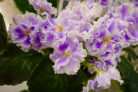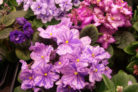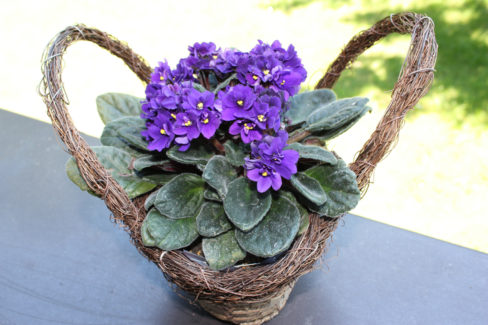
The African Violet is a total classic when it comes to houseplants, and for good reason—those long-lasting blooms are hard to beat! Even though the name and those gorgeous violet-blue petals might make you think they’re related to the common garden violet (*Viola*), they’re actually part of the *Gesneriad* family. While they’re generally pretty easygoing, there are a few common mistakes that can trip up even seasoned plant parents. Watering, in particular, is where most people run into trouble.
Watering Your African Violet
Native to Tanzania, these plants thrive in warm, humid tropical climates. To keep yours happy, you’ll want to mimic those conditions as much as possible. The golden rule? Keep the root ball consistently moist, but never soggy. The best way to tell if it’s time for a drink is the “finger test”—wait until the top layer of soil feels dry to the touch. If you notice the leaves starting to wilt, you’ve waited a bit too long and your plant is parched!
If you aren’t consistent with your watering routine, your plant might stop blooming altogether. In fact, a total lack of flowers is often a sign that something is off. Here are the most common watering blunders to avoid:
- Using cold water: These plants hate a cold shock! Always use room-temperature water (around 68°F).
- Hard tap water: African Violets are sensitive to lime. If your tap water is hard, let it sit out overnight, use a water filter, or better yet, collect some rainwater.
- Overwatering: To avoid root rot, only water when the surface soil is dry. Adding a drainage layer of coarse gravel at the bottom of the pot is a great insurance policy.
- Standing water: Never let your plant sit in a puddle. Empty the saucer about 15 minutes after watering.
- Getting the leaves wet: Water droplets on the foliage can cause unsightly spots or even rot.
- Watering from the top: Because the leaves are so sensitive, it’s best to water from the bottom by filling the saucer and letting the plant soak it up.
- Humidity matters: If your plant is in a humid spot like a bathroom, it won’t need to be watered quite as often.
Feeding Your African Violet
African Violets love loose, organic-rich soil, but they also need a little extra boost to keep those flowers coming. From March through October, give them a high-quality flowering plant fertilizer every two to three weeks. This ensures they have all the nutrients they need for a spectacular floral show. During the winter months, you can scale back your fertilizing to about once every eight weeks.