African Violets are a staple on many windowsills, brightening up our homes with their gorgeous violet-blue, red, or white blooms. While these little beauties are actually pretty forgiving of the occasional “oops” in care, they aren’t invincible. Certain diseases and pests can quickly turn your thriving plant into a goner if you aren’t careful.
What kind of issues should you look out for?
African Violets have a few specific “must-haves” to stay happy—like avoiding direct sunlight and keeping the humidity high. If they don’t get what they need, they’ll start showing signs of stress. Here’s what to watch for:
- Mosaic-like patterns on the leaves: Mosaic disease (often environmental)
- Yellowing leaves or no flowers: Wrong spot or lack of nutrients
- Dropping or wilting leaves: Root rot
- Tiny bugs or webs: Pest infestation
Mosaic Disease
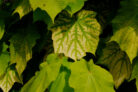
If you notice light green or yellow mosaic-like spots on your leaves, don’t panic just yet. This is usually chlorophyll damage caused by using water that’s too cold or letting the plant sit in direct sunlight. If you move your African Violet to a better spot immediately and switch to room-temperature water, it can usually bounce back after a little while.
Yellow Leaves and Lack of Blooms
If your plant is looking a bit pale or refusing to flower, it’s usually all about the location. These plants love a warm, bright spot, but they absolutely hate direct sun. Kitchens and bathrooms are often the best rooms in the house because of the extra humidity. Also, keep in mind that they are hungry little things! If they run out of nutrients, they’ll stop blooming, so make sure you’re fertilizing regularly from spring through fall.
Wilting or Falling Leaves
If the leaves are wilting, your plant is likely thirsty. You want to keep the root ball consistently moist—the best rule of thumb is to water as soon as the top layer of soil feels dry to the touch.
On the flip side, be careful not to overdo it! Too much water leads to root rot. Once the roots rot, they can’t send water or nutrients to the rest of the plant, and unfortunately, that’s usually the end of the road for your violet.
Common Pests
African Violets can sometimes attract unwanted guests, specifically:
- Aphids
- Mealybugs
- Leaf nematodes
If you spot aphids, isolate the plant immediately so they don’t spread to your other green friends. Trim off the worst-hit parts and give the whole plant a gentle wash with lukewarm water. For a tougher infestation, a mix of canola oil and water sprayed on the leaves can do the trick.
Mealybugs also require isolation. You can go the natural route by introducing beneficial insects like ladybugs or lacewings. Alternatively, you can mix up a DIY solution: 1 liter of water with 10 ml each of paraffin oil, dish soap, and rubbing alcohol. Brush this onto the leaves a few times until the bugs are gone.
Leaf nematodes are tiny roundworms that travel through your watering can right into the roots. You’ll notice the leaves looking “glassy” or developing brown spots. If you catch this early, trim away the affected areas. Unfortunately, if it has spread too far, the plant usually can’t be saved.