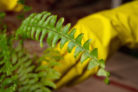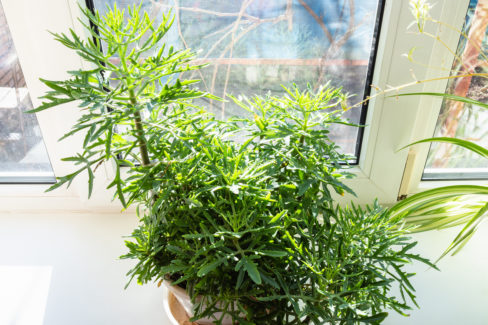
The Staghorn Fern is a total showstopper, but since it hails from the tropical regions of South America, Africa, Asia, and even Australia, it’s strictly an indoor plant for those of us in cooler climates. The good news? Because it grows across such a wide range of environments, it’s actually a pretty forgiving roommate. However, when it comes time to repot, you’ll want to take a little extra care to keep it happy.
Not Your Average Dirt-Dweller
The reason repotting requires a bit of finesse has everything to do with how this fern grows in the wild. You won’t usually find Staghorn Ferns rooted in the ground; instead, they are epiphytes, meaning they anchor themselves to the bark of trees and grow upward. Because they aren’t used to traditional soil, they have some unique needs when you move them to a new home.
A Serious Grip
A Staghorn’s roots do more than just soak up water and nutrients—they act like anchors. In nature, they “claw” into tree bark, and in your home, they do the exact same thing to their potting mix. Before you try to move the plant, you’ll need to very gently loosen the root system. Take your time here; you want to free the roots without snapping or damaging them.
Is It Really Time to Repot?
Since moving them can be a bit of a process, you might wonder if it’s actually necessary. Generally speaking, your potting medium will be “spent” after about three to five years. At that point, the plant has used up the available nutrients and needs a fresh start to keep thriving. This rule applies even if you’ve mounted your fern to a piece of wood or bark instead of using a hanging basket. After a few years, you’ll notice some wear and tear, signaling it’s time for an upgrade.
When you do repot, skip the standard potting soil. Instead, go for something airy and well-draining like:
- Orchid bark (My top recommendation!)
- Coconut coir
- Shredded bark mulch