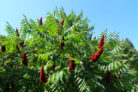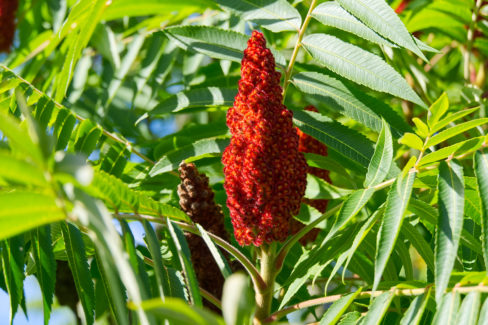
The Staghorn Sumac (botanical name: *Rhus typhina*) is a stunning ornamental shrub known for its jaw-dropping fall colors. But let’s be real: it also has a serious case of wanderlust. This plant loves to spread, which is actually great news if you’re looking to grow more of them! Since it naturally wants to take over, propagating it is a breeze—you just have to make sure it grows where *you* want it, not just wherever it feels like popping up.
Propagation
Because the Staghorn Sumac sends out runners that can sprout new shoots up to thirty feet away, it practically multiplies itself. However, those little volunteers don’t always show up in the perfect spot. To get your *Rhus typhina* exactly where you want it, you should stick to these tried-and-true methods:
- Root suckers (runners)
- Root cuttings
- Stem cuttings
Root Suckers
Using root suckers is by far the easiest way to get a new sumac going. It’s the plant’s natural way of expanding its family. The best time to dig up these offshoots is in the fall or early spring before the leaves start to bud out. Here’s the game plan:
- Use a sharp spade to sever the sucker from the mother plant, making sure to get a good chunk of root with it.
- Replant it immediately in its new home.
Root Cuttings
Root cuttings are just small sections taken from the thicker, meatier roots. If you want to try this method, follow these simple steps:
- Dig down to find a healthy, fleshy root about half an inch in diameter.
- Cut off a larger section and divide it into pieces about two to four inches long.
- Alternatively, you can just snip these sections directly while the root is still in the ground.
- Lay the root pieces in moist, well-draining potting soil.
- Keep the soil consistently damp but not soggy.
Once the root cutting has sprouted and established itself, you’re ready to transplant your new sumac into the garden.
Stem Cuttings
If you’re growing your sumac in a container, it won’t be able to produce those handy root runners. In this case, you’ll want to use stem cuttings. The best time for this is early winter—just make sure there’s no deep freeze in the forecast that could stress out the parent plant. Here’s how you do it:
- Snip off about a 6-inch section from a young, healthy branch.
- Stick the cutting about halfway into loose, well-draining soil.
- Place it in a bright spot where temperatures stay between 43°F and 54°F (6-12°C).
- Keep the soil lightly moist at all times.
After a few months, your cutting should have a solid root system. By the following fall, you can move your young tree into the garden—just be sure to use a root barrier if you want to keep it from taking over the whole yard!