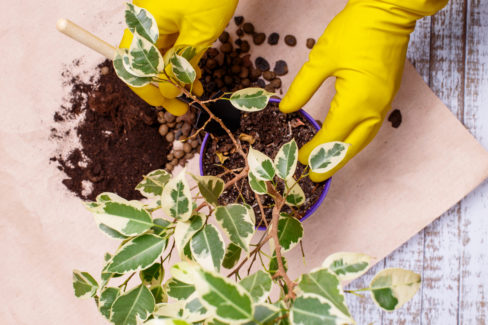
To keep your Ficus Benjamini (or Weeping Fig, as many of us call it) happy and thriving, you’ll need to give it a new home with fresh soil every few years. But when exactly should you make the move, and what’s the best way to do it without stressing your plant? Let’s break it down!
The Best Time to Repot
Whether you keep your Ficus indoors year-round or let it soak up the sun on the patio during the summer, you should aim to repot it every three to four years. The sweet spot for this project is right at the end of its winter dormancy and just before the spring growth spurt kicks in. Basically, as soon as you see the first signs of spring, it’s time to get your hands dirty!
Choosing the Right Pot
When picking out a new pot, bigger isn’t always better. To keep your Weeping Fig looking bushy and compact, you only want about two inches (roughly four centimeters) of space between the root ball and the edge of the pot. If you go too big, the plant will focus all its energy on growing massive roots and leggy branches rather than that lush foliage we love.
The Perfect Soil Mix
Standard high-quality potting soil works just fine, but if you want to go the extra mile, you can make it even better. Mixing in some coconut coir or peat moss helps keep the soil nutrient-rich and airy. For even better drainage, try adding inorganic extras like:
- Perlite
- Lava rock granules
How to Repot Like a Pro
Ready to get started? Follow these simple steps to ensure your Ficus settles in perfectly:
- Gently remove the plant from its old pot. If the roots are sticking to the sides, you can carefully run a knife around the edge to loosen them. Shake off as much of the old, tired soil as possible.
- Drainage is key! Place a layer of expanded clay pebbles (LECA) at the bottom of the new pot. Cover that layer with a piece of breathable garden fleece or landscape fabric to keep the soil from washing through.
- Add a base layer of your fresh soil mix on top of the fleece, then set your Ficus in the center. Fill in the gaps around the sides with the rest of your soil.
- Give it a good, thorough watering to settle the roots. Hold off on the fertilizer for at least six weeks—the fresh soil already has plenty of nutrients to get it started.
Repotting Ficus Bonsai
If you’re growing a Ficus Benjamini Bonsai, keep in mind that they need a little more attention. Because they live in shallow trays, their roots run out of room much faster than they would in a standard pot, so you’ll need to repot them more frequently to keep them healthy.