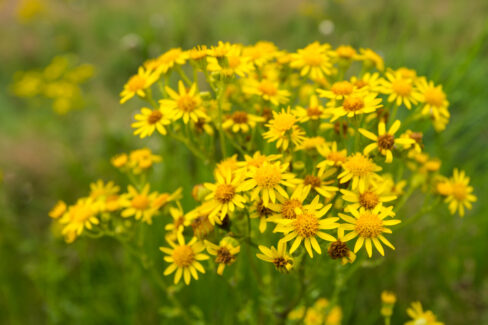
Tansy Ragwort is a highly toxic weed that plays a bit of a long game—it doesn’t actually bloom until its second year. That’s when it develops those mature flowers and scatters a massive amount of seeds everywhere. If you’re looking to keep this plant from taking over your yard, the trick is to get rid of it before it ever gets a chance to flower.
When Does Tansy Ragwort Bloom?
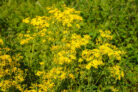
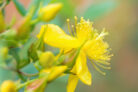
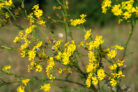
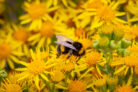
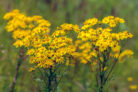
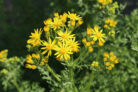
You’ll definitely recognize this toxic plant by its bright yellow flowers. They really pop, and you’ll usually find a whole bunch of them growing close together. During its first year, Tansy Ragwort stays low to the ground as a rosette with deeply lobed leaves. By the second year, it sends up an upright stem, which eventually bursts into those brilliant yellow, daisy-like flower heads.
You might start seeing the first blossoms as early as mid-June, but July is really the peak season. These flowers can stick around through August and even into September. Fun fact: its German name, *Jakobskreuzkraut*, comes from St. James’ Day (July 25th), which is exactly when the plant is usually in full bloom.
What Happens After Flowering?
If you let Tansy Ragwort do its thing, it will produce an incredible number of seeds once the flowers fade. Much like dandelions, these seeds are carried by the wind. A single plant can release up to 150,000 seeds into the surrounding area! To make matters worse, those seeds can stay viable in the soil for up to 20 years. Once the mother plant has finished flowering and scattering its seeds, it finally dies off.
Stopping the Spread Before It Starts
If you want to get rid of Tansy Ragwort, timing is everything—you have to act before it blooms. Use a digging fork to pull up the entire plant, roots and all, and make sure to dispose of every single part carefully. This is the only way to stop the mother plant from launching thousands of seeds that will eventually turn into a major headache for your garden.