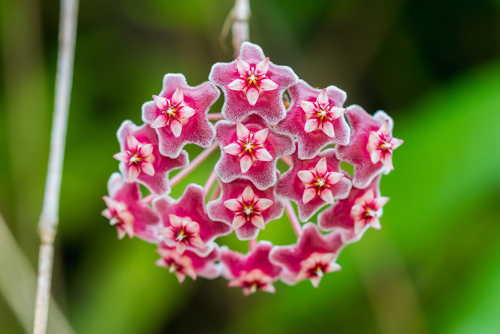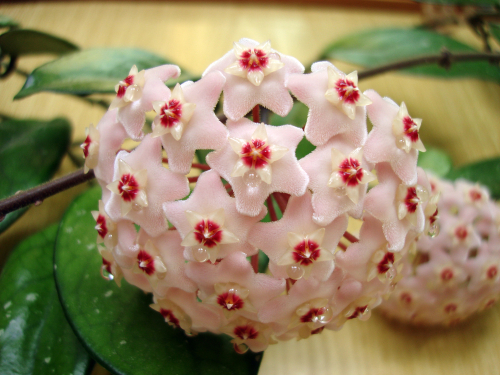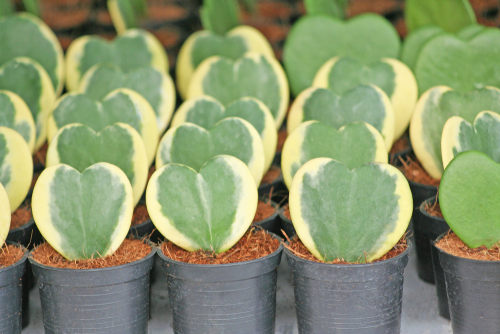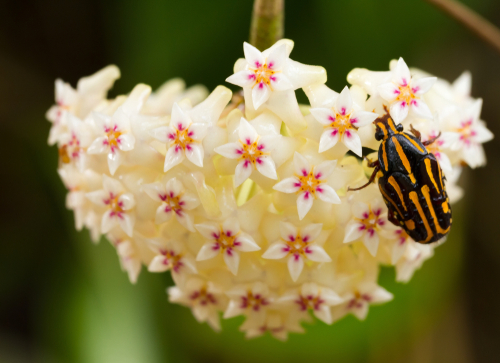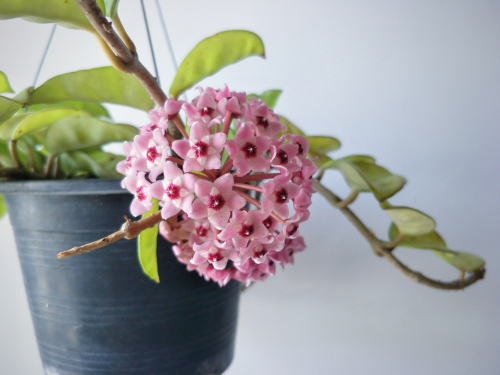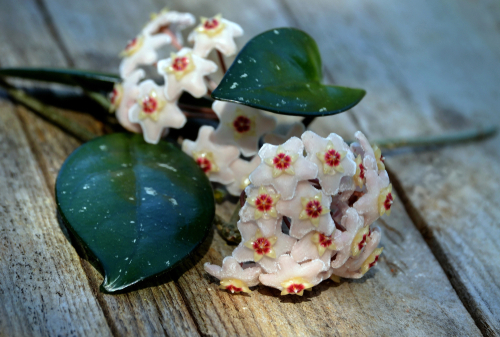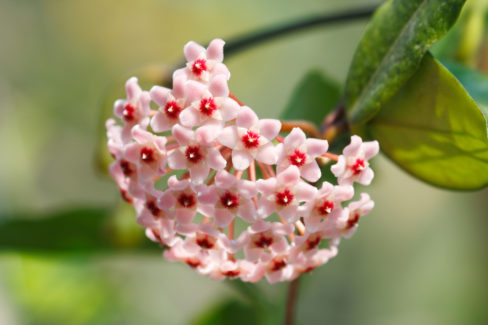
With its delicate, star-shaped clusters, the exotic Porcelain Flower (scientifically known as *Hoya*) is often called the Wax Plant—and for good reason! Originally hailing from the tropical rainforests of Asia, these beauties are most commonly grown as houseplants in our neck of the woods. If you’re looking to add one to your collection, here’s the lowdown on finding the perfect spot and keeping your Hoya happy and thriving.
Growing Your Hoya Indoors
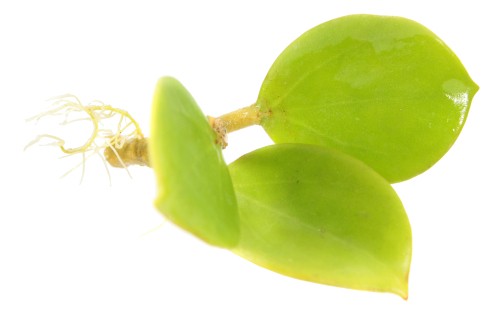
If you’re planning to keep your Porcelain Flower on a sunny windowsill, you’ll want to tailor your care routine to match its tropical roots. A little TLC goes a long way in encouraging those stunning blooms and helping you grow healthy cuttings for easy propagation.
Here are the golden rules for indoor Hoya care:
- Keep the soil consistently moist, but be careful not to overdo it—nobody likes soggy feet (root rot is a real mood killer).
- Wax Plants love bright light, but try to keep them out of harsh, direct afternoon sun which can scorch the leaves.
- During the winter, they appreciate a slightly cooler “rest” period with temperatures around 60°F (16°C).
- Regular feeding is a must if you want to see those gorgeous flowers and steady growth.
The biggest secret to Hoya success? Once your plant has settled into its favorite spot, don’t move or rotate it! These plants are creatures of habit, and shifting them around can cause them to drop their leaves or flower buds in protest.
When it comes to fertilizer, less is often more. While nutrients are vital, over-fertilizing can actually stop your Hoya from blooming. Feeding them about once every three weeks during the growing season is the sweet spot.
Moving Your Wax Plant Outdoors
When the weather warms up in the summer, you might be tempted to move your Porcelain Flower out to the patio or garden. In the wild, Hoyas often grow as epiphytes on trees, where they are shielded from direct sun and heavy downpours. If you do move your potted Hoya outside, make sure it’s in a sheltered spot away from direct sunlight and rain. Good drainage is non-negotiable to ensure excess water can escape.
However, a word of caution: moving your Hoya outdoors comes with some risks. As I mentioned, these plants hate being moved. It’s very common for a Hoya to “pout” and refuse to bloom for a long time after being brought back inside for the fall. Plus, they are incredibly sensitive to the cold and won’t survive even a hint of frost. If you want to play it safe, keeping them in a permanent indoor spot is usually your best bet!