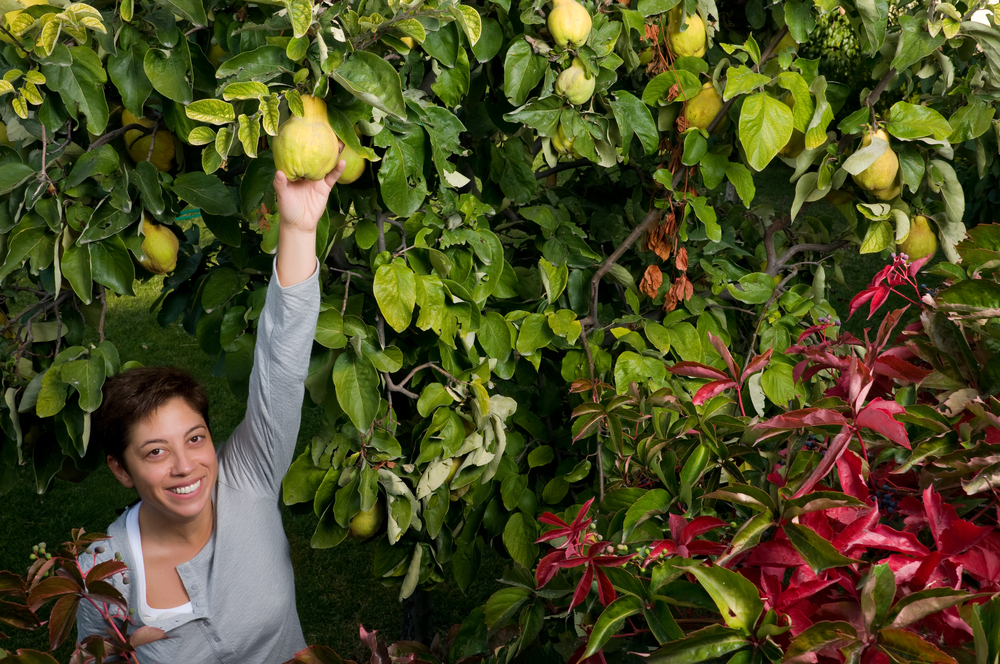
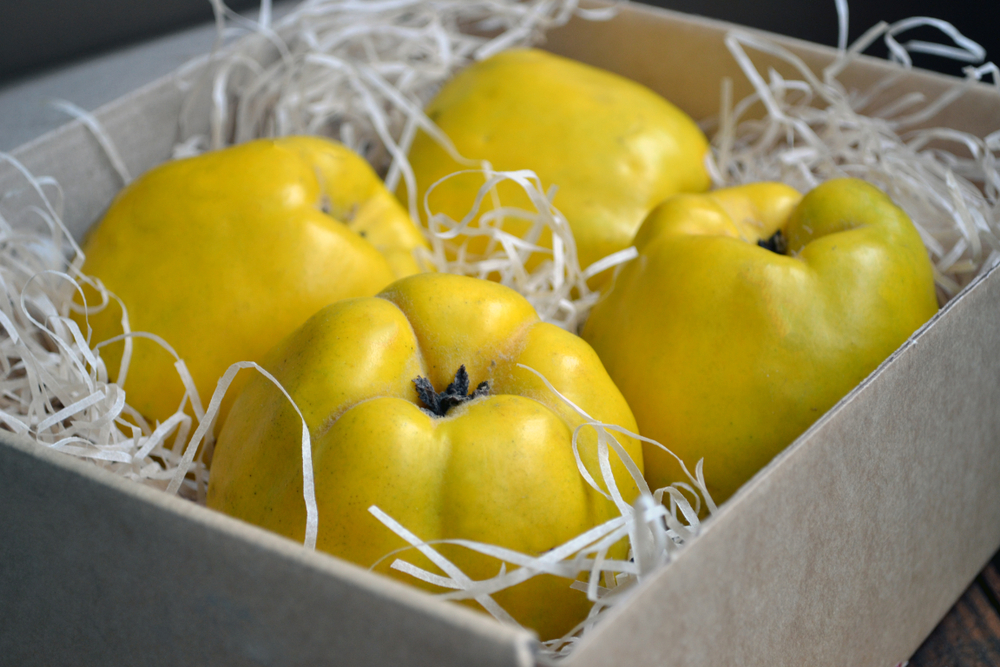
To the untrained eye, quinces can easily be mistaken for apples or pears. But while they definitely share some family resemblance, the quince is a unique fall fruit that deserves its own spotlight in your garden.
How to Spot a Quince
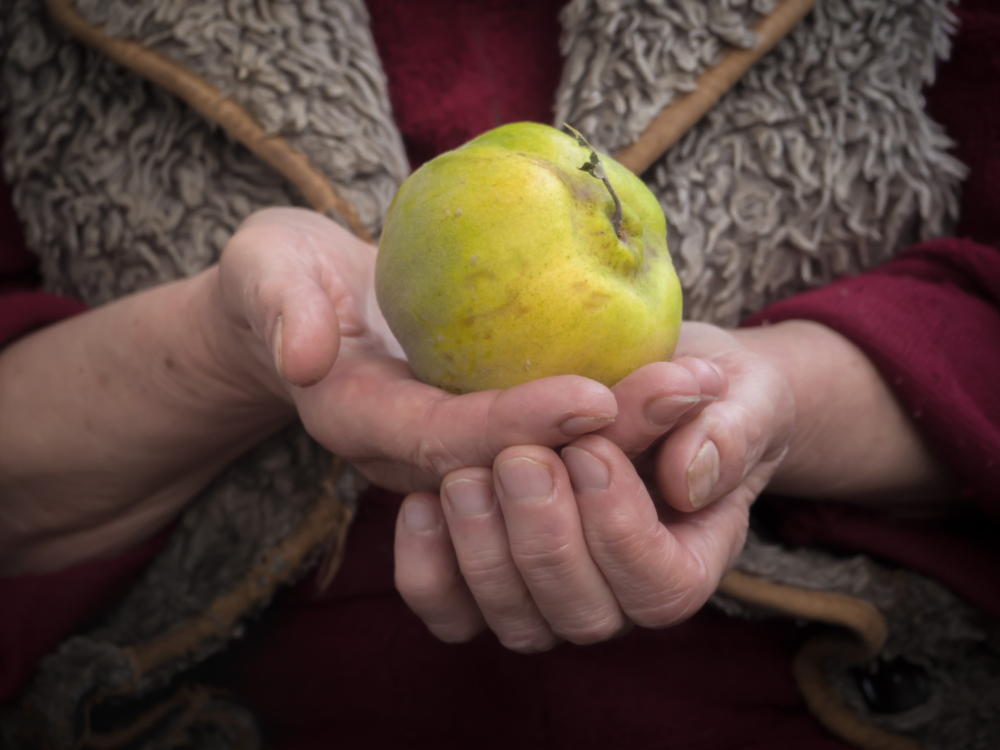
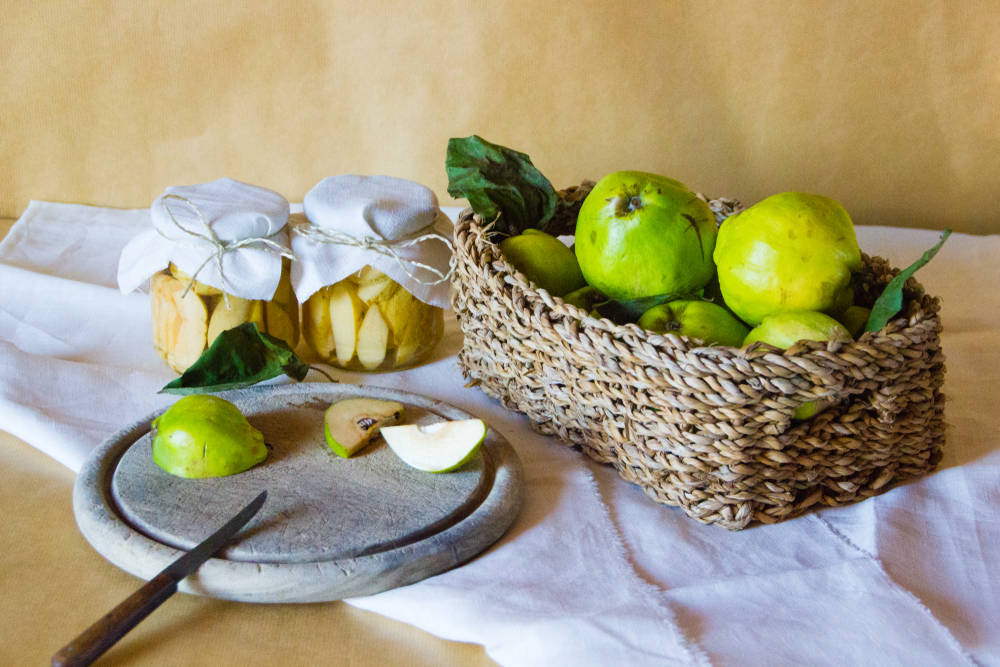
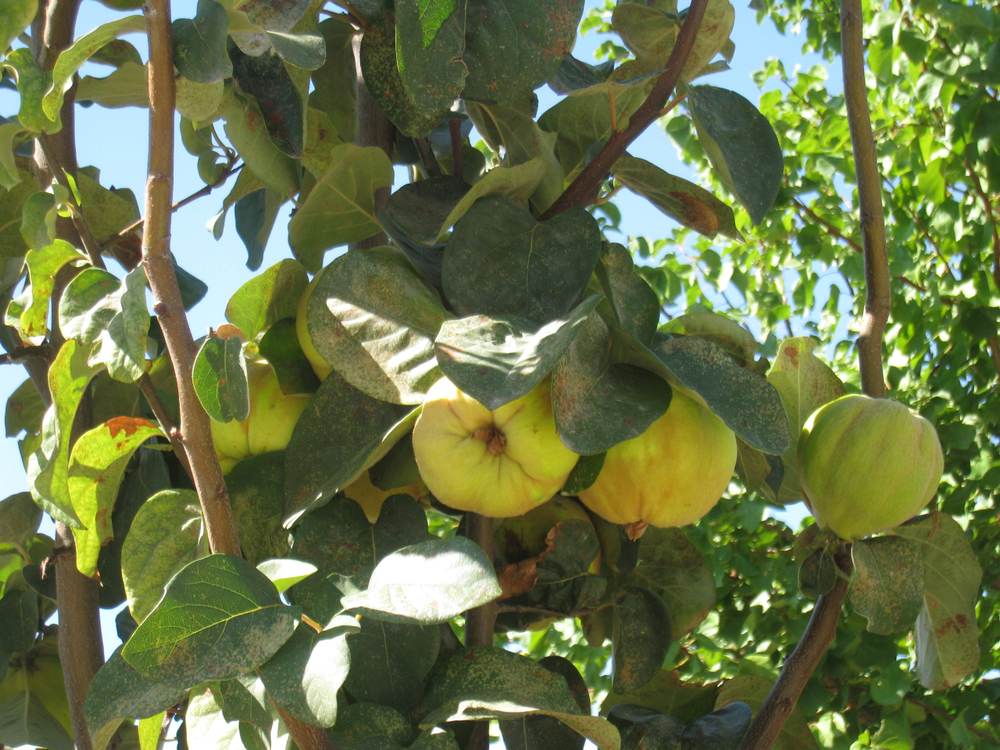
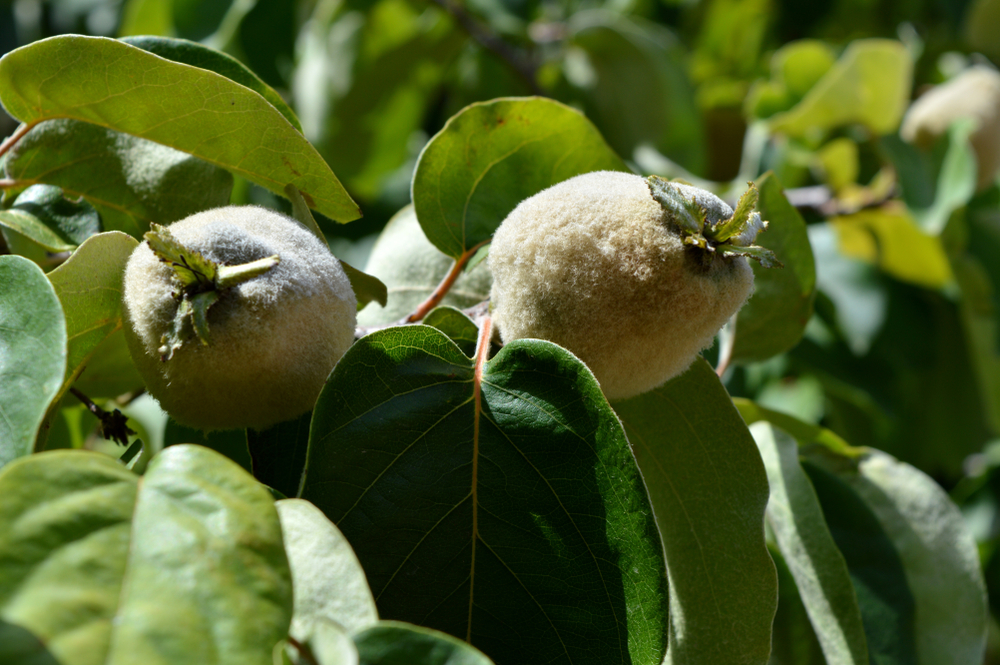
When they’re still growing, quinces are green, but they turn a beautiful golden yellow once they’re ripe. If you pick one up, you’ll notice a distinct fuzzy coating on the skin—it feels a lot like a peach. Don’t try to take a big bite right off the tree, though! The flesh is incredibly hard and woody, which makes eating raw quince pretty unpleasant. However, they are absolute superstars when cooked down into things like:
- Jams and preserves,
- Jelly,
- Fruit leather (quince paste), or
- Juice.
Beyond the kitchen, the quince is packed with beneficial compounds like pectin, emulsin, and tannins, which have earned it a spot in the natural medicine cabinet. Because of these properties, the fruit can help with:
- Acting as a natural diuretic,
- Loosening phlegm (great for colds or bronchitis),
- Reducing inflammation, and
- Providing a cooling effect (useful for minor burns or sprains).
Our grandmothers knew exactly what they were doing when they reached for quinces as a trusted home remedy! Today, you’ll even find this versatile fruit popping up as a key ingredient in high-end skincare and cosmetics.