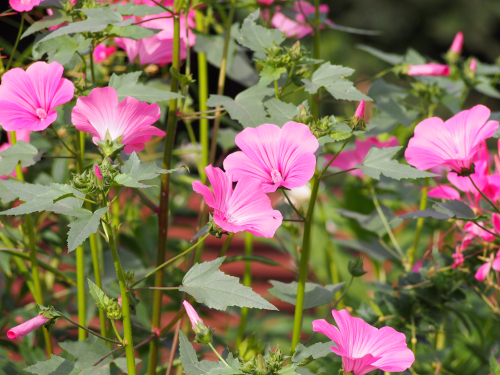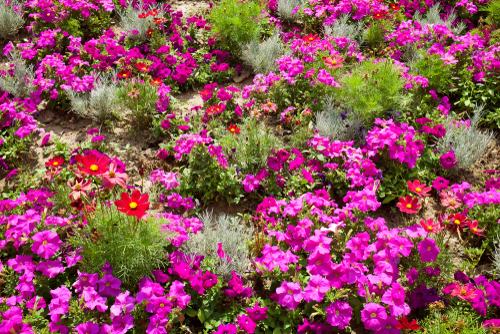
Rose mallows are a total favorite for flower beds because they look absolutely stunning. Since they seem to pop up reliably every single year, it’s easy to assume they’re tough enough to handle a deep freeze. However, there’s a bit of a secret behind their “return.” Here’s the lowdown on why rose mallows aren’t actually winter-hardy.
Rose Mallows Aren’t Fans of the Cold
If you look at where the rose mallow (Lavatera) comes from, it’s pretty obvious why it struggles with our chilly winters. These beauties are native to the warm, sunny Mediterranean. Because they reappear in the same spot every summer, many gardeners naturally assume they are hardy perennials. But in reality, they are usually grown as annuals in cooler climates.
The Secret to Their “Return”: Self-Seeding
So, if they aren’t hardy, why do they keep coming back? The trick is that rose mallows are prolific seed producers. If you leave the spent flowers on the plant, they eventually drop a massive amount of seeds onto the soil. Those seeds chill out on the ground all winter and sprout into brand-new plants once the weather warms up. It gives the illusion that the original plant survived the winter, but you’re actually looking at the next generation!
How to Overwinter Your Rose Mallow
While we’ve established they aren’t naturally winter-proof, you can take a few steps to help them out. If you want to try and get your specific plant through the cold months so it can bloom even bigger next year, here’s what you need to do:
- Wrap the plant in garden fleece before the first frost hits.
- Cover the surrounding soil with brushwood or mulch for insulation.
- For potted mallows, cut them back by about half.
- Move potted plants into a protected winter shelter.
Your winter storage spot should stay between 40°F and 50°F (5°C to 10°C). During this “dormancy” period, give the plant a tiny bit of water and a little fertilizer every now and then. Don’t do a heavy prune on garden plants before winter; just snip off any wilted or weak stems.
If you don’t have a shed or garage for your potted mallows, you can try overwintering them outside if the pot is at least 12 inches (30 cm) in diameter. Wrap the pot in bubble wrap, place it on an insulating mat (like wood or styrofoam), and tuck it against a warm house wall. Just make sure to give it a sip of water occasionally so the roots don’t completely dry out!