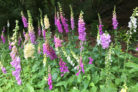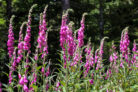
Most foxgloves are naturally hardy, meaning they can handle the winter months just fine on their own. Here’s a quick guide on what you need to know about keeping your foxgloves happy when the temperature drops.
Most Varieties Are Winter-Hardy
Generally speaking, the foxgloves we typically grow in our gardens are quite tough. There are several well-known species that have no problem withstanding the cold. The most common hardy varieties you’ll run into are:
- Common Foxglove (Digitalis purpurea)
- Yellow Foxglove
- Large-flowered Foxglove
- Woolly Foxglove
- Rusty Foxglove
What Does “Hardy” Actually Mean?
When we say these species are winter-hardy, it means they are guaranteed to survive outdoors all season long without freezing or dying off. Unlike more delicate tropical plants, you don’t need to dig up your foxgloves or move them into a frost-free basement or greenhouse for the winter.
Most foxgloves can easily handle temperatures down to about 0°F (-18°C). Since it rarely gets much colder than that in most regions, you can feel confident leaving your foxgloves right where they are in the garden, even when a deep freeze hits.
A Little Help for Outdoor Overwintering
Even though they are tough, you can give your foxgloves a little helping hand. One trick is to cut the plant back close to the ground. This ensures that the upper parts of the plant don’t suffer from frost damage. However, if your foxglove has already dropped its seeds, there’s no real need to prune. Once the seeds have scattered, the plant has already done the work of ensuring the next generation. Those seeds will chill out over the winter and sprout into brand-new plants come spring.
Foxgloves in Pots and Balcony Boxes
If you’re growing foxgloves in containers or balcony boxes, you might want to be a bit more cautious. Because there is less soil in a pot to insulate the roots, they are slightly more prone to freezing than plants in the ground. To be safe, you can move your pots to a sheltered, frost-protected spot or wrap the containers in some garden fleece or burlap to give the roots an extra layer of warmth.
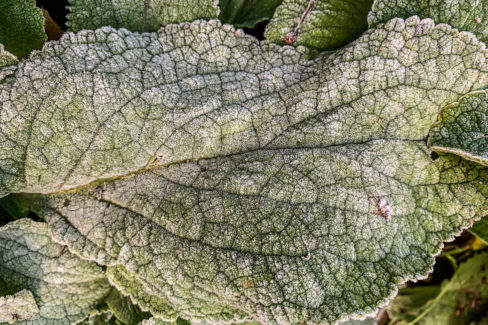
A Splash of Green in the Winter Garden
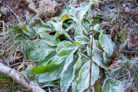
One of the best things about foxgloves is that they (or the base of the plant if you’ve pruned them) stay green all winter long. It’s a great way to keep a little bit of life and color in your garden even when everything else is looking a bit gray!