Most hydrangea varieties are actually pretty tough when it comes to freezing temperatures. If you’re wondering how to keep your beauties happy during the colder months, I’ve got you covered. Here’s the lowdown on winter-hardy hydrangeas, when you need to step in with some extra protection, and the best way to go about it.
How Winter-Hardy Are Hydrangeas?
How much frost a hydrangea can handle really depends on the specific variety. Generally speaking, most types are quite winter-hardy and won’t be bothered by a long cold snap. To be 100% sure, it’s always a good idea to check the plant tag when you’re at the garden center. But don’t worry—if you already know which variety you have, you can easily look up its frost tolerance.
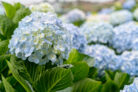
Panicle hydrangeas and Bigleaf (mophead) hydrangeas are particularly sturdy. You can usually count on them to survive even when the ground stays frozen for a while. Just keep in mind that variety isn’t the only factor; the age of the plant and how it was planted also play a big role in how well it survives the winter.
Potted Plants Need Extra Love
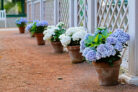
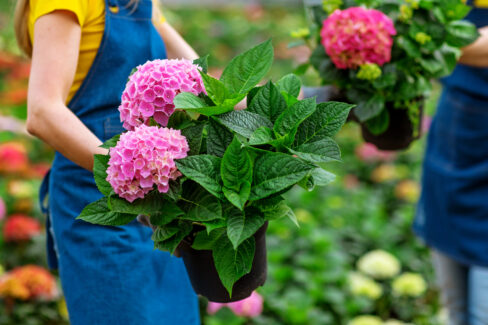
If you’re growing your hydrangeas in containers, you’ll need to take some extra precautions before the first frost hits. Unlike plants in the ground, potted hydrangeas don’t have the earth’s natural insulation to keep their roots warm. The walls of a pot allow the cold to reach the soil much faster, which can lead to the root ball freezing solid. When that happens, the plant can’t take up any water.
To prevent this, you can move your pots into the basement or another sheltered indoor space. If they’re staying outside, wrap the pot in burlap or fleece to insulate it. Top the soil with some bark mulch and move the pot to a spot protected from the wind. Pro tip: only water your plants on days when the temperature is above freezing!
How to Give Your Hydrangeas the Best Protection
Young or newly planted hydrangeas definitely need a little help. They aren’t quite as resilient as an established shrub with a deep root system at its permanent spot. Honestly, even the toughest hydrangeas appreciate a little winter TLC, so many gardeners follow these steps regardless of the variety.
Here’s your winter checklist:
- Avoid pruning in the fall if possible.
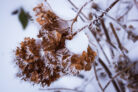
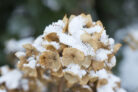
- Leave the spent blooms and old stems alone for now.
- Spread about a 4-inch layer of bark mulch or compost around the base of the plant.
- Wait until spring to prune away any dead or dried-out wood.
For an extra layer of security during an especially brutal winter, you can cover your hydrangeas with burlap or evergreen branches. Just make sure to provide some structural support so the weight of heavy snow doesn’t snap the branches!