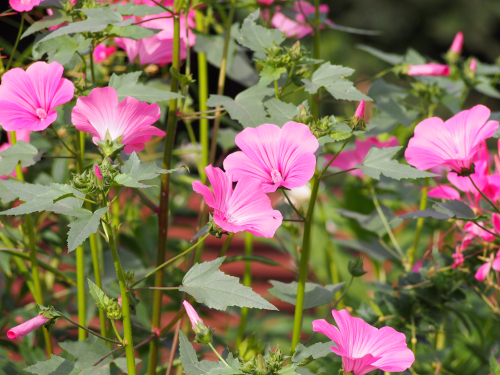
Rose mallows (also known as annual mallows) are gorgeous decorative flowers that look absolutely stunning in any perennial bed. They’re reliable bloomers that bring a pop of color to the garden year after year, making them a favorite for many hobby gardeners. But if you’re planning your garden layout, you might be wondering: just how long do these beauties actually live?
Are Rose Mallows Actually Perennial?
Strictly speaking, no. Because the rose mallow originally hails from the sunny Mediterranean, it’s used to warm breezes and mild weather—not freezing winter temperatures. This means they aren’t hardy enough to survive a frost. So, why does it seem like they magically reappear in your flower beds every single summer?
The secret lies in their seeds. Rose mallows are prolific seed producers. Once the flowers fade, the seeds eventually drop to the ground. When spring rolls around, those seeds germinate, and brand-new plants sprout up. It happens so seamlessly that it’s easy to get the impression you’re looking at the same perennial plant coming back to life!
Letting Nature Do the Work: Self-Seeding
The great news is that you don’t have to lift a finger to keep the cycle going. If you just let your rose mallows do their thing, they’ll self-seed without any help from you. Of course, they’ll need the right spot to thrive. It’s also important that the seeds have enough “elbow room” to grow; if your garden bed is completely overgrown or choked with weeds, the new seedlings might struggle to find their place in the sun.
Keep in mind that rose mallows don’t always stay exactly where you planted them. Thanks to the wind, rain, and local wildlife, seeds can travel a bit, and you might find a few “volunteers” popping up in unexpected corners of your yard. Don’t worry, though—if one sprouts somewhere you don’t want it, they’re super easy to pull up or relocate while they’re still young.
Taking Control: Manual Sowing
If you’re a bit of a neat freak (no judgment here!) and don’t want your mallows wandering all over the garden, you can easily take charge of the process. Here’s how to manage them manually:
- Pick the seed pods before they have a chance to pop open and drop.
- Store the seeds in a dark, dry place to let them cure.
- Sow them exactly where you want them the following spring.
Pro tip: Only collect your seeds on a dry day and make sure they are bone-dry before storing them. If there’s any moisture left, they’ll mold in storage and won’t grow. It’s also a smart move to rotate where you plant them each year. This helps prevent common issues like mallow rust, a fungal disease that these plants are unfortunately quite prone to. Happy gardening!