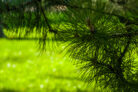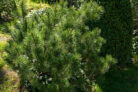
There are nearly 100 different types of pine trees across the globe, but the Scots Pine (Waldkiefer) definitely holds a special place in the forest. If you’re looking to get to know this tree better, I’ve put together a handy guide covering its unique features, what it needs to thrive, and its typical growth habits. Here’s everything you need to know about this classic evergreen.
Classification and Common Names
The Scots Pine goes by a few different names depending on who you ask. This beautiful conifer is incredibly long-lived—some can reach over 500 years old! It’s one of the most widespread species out there, making it a very popular member of the pine family.
- Common Name: Scots Pine
- Also known as: Scotch Pine, European Redwood
- Botanical Name: Pinus sylvestris
- Sex: Monoecious (meaning it has both male and female parts on one tree)
Growth and Shape
When it comes to size, the Scots Pine is no slouch. These trees can stretch their crowns up to 130 feet (40 meters) into the sky! Of course, exactly how tall it gets depends on the local environment, the nutrients in the soil, and how much “TLC” it gets from Mother Nature.
- Height: Typically reaches between 65 and 130 feet
- Shape: Develops a relatively small crown and can sometimes grow with a charming lean
- Bark: Mature trees feature a distinctive, scaly bark
Cones and Needles
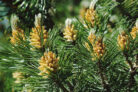
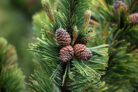
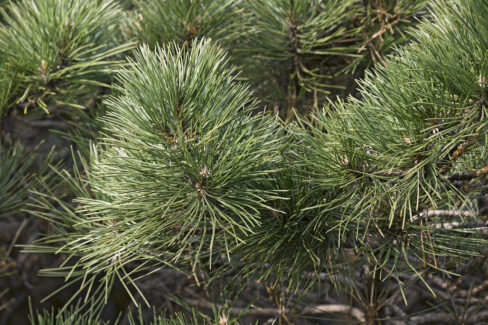
As an evergreen, the Scots Pine stays lush and green all year round. It produces plenty of beautiful cones that aren’t just great to look at—they’re also perfect for fall crafting projects! Just a heads-up: the tree actually produces two different types of cones: seed cones and pollen cones.
Needles:
- Color: Green
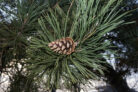
- Texture: Stiff, hardy needles
- Size: About 3 inches long (7 cm)
Cones:
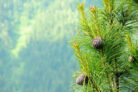
- Color: Start out green and turn brown as they mature
- Quantity: A single tree can produce upwards of 1,500 cones
- Variety: Both male and female cones live on the same tree
- Fun Fact: The cones stay closed until the weather gets nice and dry
What the Scots Pine Needs to Thrive
To make sure your Scots Pine grows strong and healthy, you’ve got to pick the right spot. While these trees are famously hardy and resilient, they do have a few preferences. Check these boxes, and your tree will be happy for years to come.
The Scots Pine wishlist:
- Plenty of direct sunlight
- Loose, nutrient-rich soil
- Well-draining ground (they don’t like “wet feet”)
- Lots of room for their long root systems to spread out