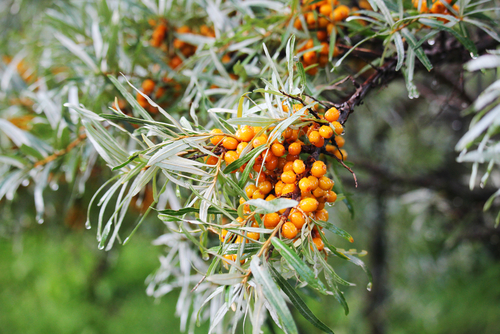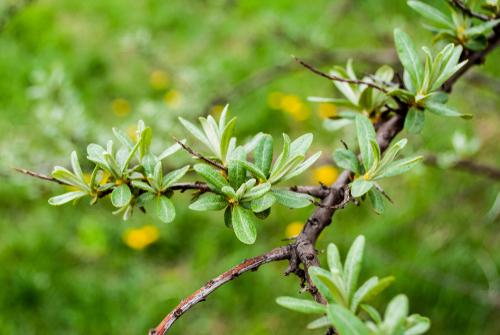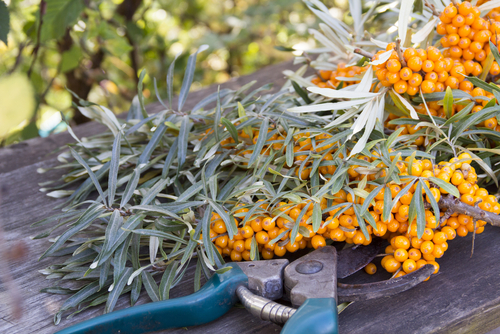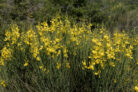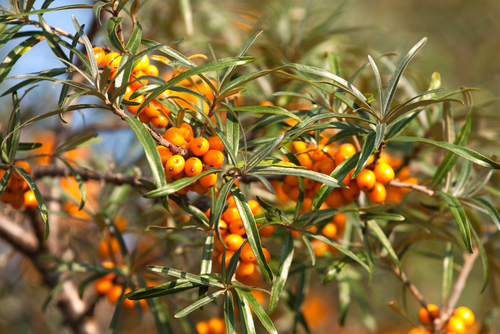
Sea buckthorn is one incredibly adaptable plant. You’ll spot it everywhere from backyard gardens to wild meadows and roadsides. It’s famously at home along the coasts of Northern Europe, where it thrives right in the sandy dunes—which is exactly how it earned its name!
Finding the Perfect Spot for Your Sea Buckthorn
If you want your sea buckthorn to really thrive, think “sun-drenched.” These plants absolutely love a warm, bright, and sheltered spot. While they can handle a bit of partial shade, they’ll always be happiest where the sun hits them directly. Whatever you do, avoid planting them in full shade; they just won’t be happy there. If you’re ready to get started, check out our guide on how to plant sea buckthorn.
The Ideal Soil Conditions
When it comes to dirt, sea buckthorn isn’t too picky. It can grow in almost any soil, though it definitely has its favorites. The golden rule? Make sure the soil is loose and well-draining. You want to avoid standing water at all costs, as “wet feet” can be dangerous for the roots. If your soil is compacted—which often happens after home construction from heavy machinery—you’ll need to loosen it up deeply before planting.
Ideally, your soil should be:
- Rich in organic matter (humus)
- Dry to slightly moist
- Neutral to alkaline (pH-wise)
- Sandy
- Deep enough for root expansion
A True Survivalist
One of the coolest things about sea buckthorn is how tough it is. This plant is a total survivor. It can handle long droughts just as easily as temporary flooding. Even heavy winds and coastal storms won’t faze it. Plus, it’s incredibly hardy, standing up to both scorching summer heat and freezing winter chills.
If you’re looking to add a few to your yard, they make a fantastic natural privacy screen or a sturdy windbreak. And let’s not forget how gorgeous they look! Those bright orange-red berries are a total showstopper in any landscape. Just a quick tip: if you’re planting them in a group, give them at least three feet of space between each plant so they have plenty of room to grow without crowding each other out.