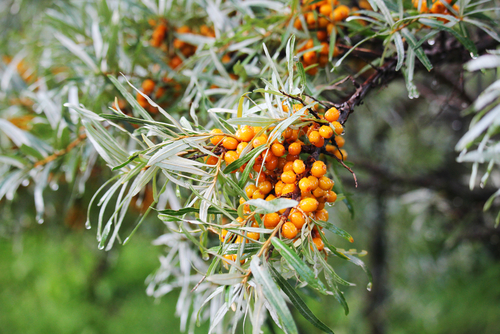
Sure, sea buckthorn harvest can be a bit of a challenge, but don’t let that fool you—this plant is actually one of the easiest additions you can make to your garden! It’s incredibly hardy and low-maintenance. As long as you nail a few basics, you’ll have a thriving, fruit-bearing shrub for years to come.
Sanddorn richtig gießen
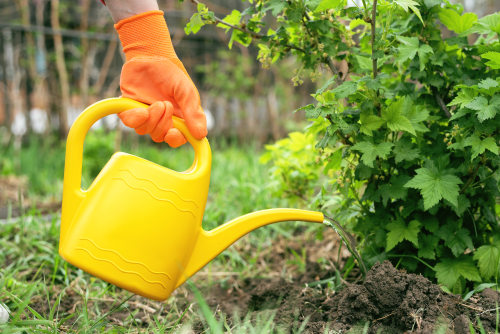
During that first year after planting, you’ll want to keep a close eye on your sea buckthorn’s water intake. Since the root system is still getting established, it can’t quite fend for itself yet. The golden rule here? Make sure your soil is loose and well-draining. Sea buckthorn hates “wet feet,” and standing water can quickly lead to root rot.
Once you hit year two, you can pretty much put the watering can away. These plants are famous for growing in sandy coastal dunes, so they are absolute pros at handling drought. A little rain here and there is usually more than enough to keep them happy. Ideally, you want the soil to stay just slightly moist, but don’t stress if it dries out.
Sanddorn richtig düngen
When it comes to fertilizer, sea buckthorn is the ultimate “low-maintenance roommate.” It actually thrives in nutrient-poor soil. How does it do it? It has a cool symbiotic relationship with nitrogen-fixing bacteria in its roots, meaning it basically creates its own fertilizer from the air.
That said, a little “booster shot” goes a long way when the plant is young. I recommend mixing some compost into the soil when you first plant it, and then adding another layer of compost after the first year. Since young plants aren’t fully self-sufficient yet, a spring feeding will give them the energy they need to produce a great harvest later on.
Besides compost, you can also use:
- Seaweed/Algae fertilizer
- Nettle tea
- Well-rotted manure
Sanddorn richtig schneiden
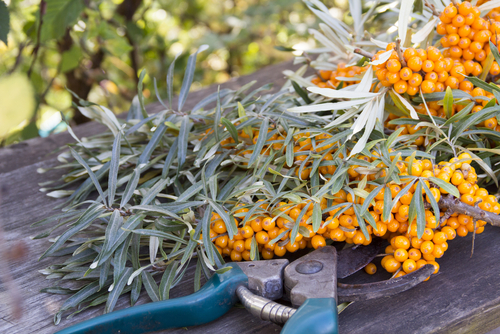
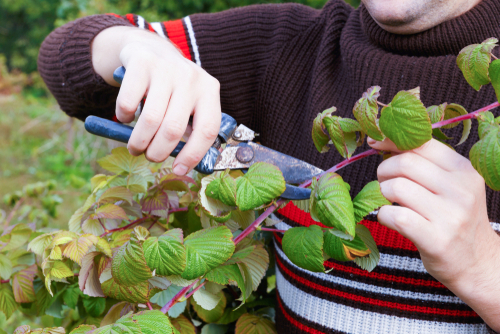
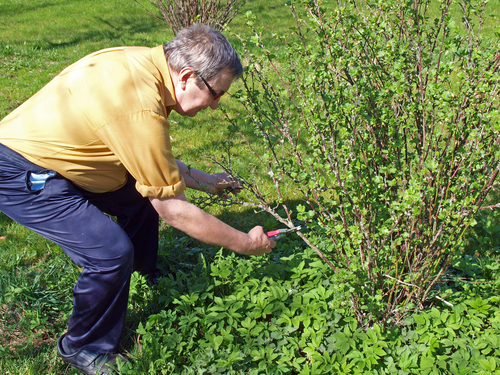
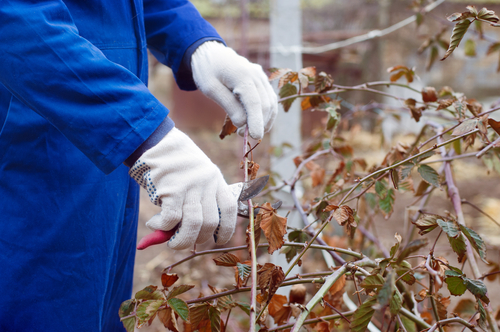
The best time to prune your sea buckthorn is actually during or right after the harvest. Because the berries are so delicate and tend to squash easily, many gardeners find it easiest to just cut off the entire fruit-bearing branch. You can then take the branches inside and pick the berries comfortably at your kitchen table.
Pro tip: If you want to make it even easier, toss those cut branches in the freezer for a bit. Once the berries are frozen solid, they pop right off the branch! This method lets you handle pruning and harvesting all in one go, saving you a ton of time. Just a heads-up: don’t underestimate those thorns—they can be pretty prickly, so wear some sturdy gloves!