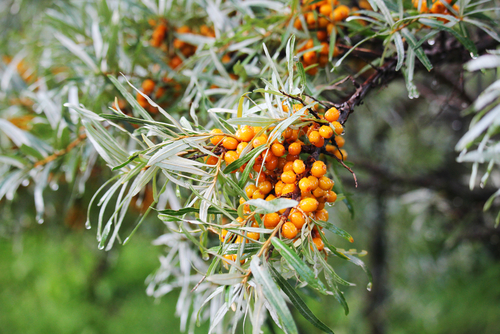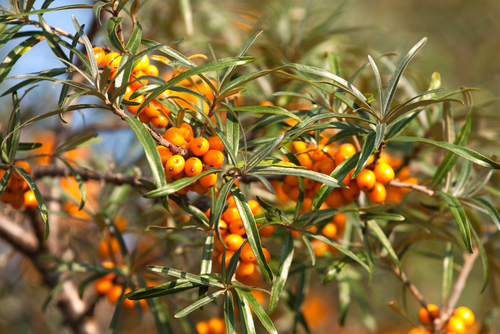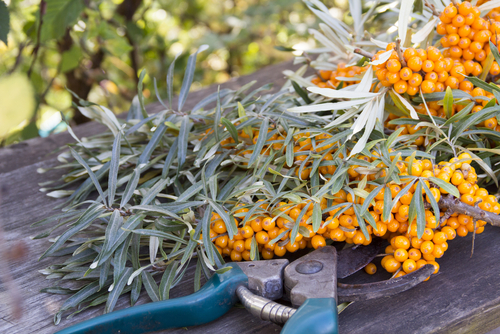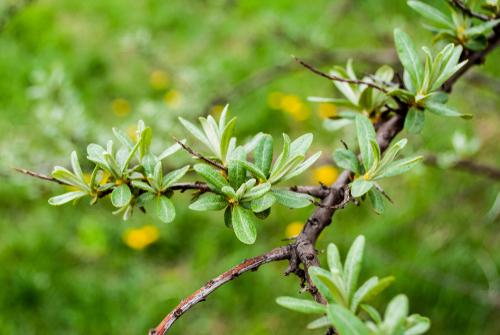
Ever find yourself admiring those vibrant sea buckthorn bushes along the roadside and wishing you had that pop of color in your own yard? Well, good news—you don’t have to just admire them from afar! You can easily grow this hardy “lemon of the north” right at home. Stick around, and I’ll walk you through everything you need to know to get started.
The Best Varieties for Your Backyard
While it might be tempting to dig up a wild variety, I wouldn’t recommend it. Wild sea buckthorn is a bit of a space hog; it spreads aggressively through underground runners and can take over your garden before you know it. Instead, go for a cultivated variety. They’re much better behaved and won’t stage a hostile takeover of your lawn.
Here are a few great cultivars to look for:
- Leikora
- Frugana
- Pollmix (a great pollinator!)
Finding the Perfect Spot
Technically, sea buckthorn is a tough cookie and can grow almost anywhere, but if you want it to thrive, aim for a sunny, sheltered spot. These plants are total sun-worshippers. Avoid planting them under the canopy of larger trees, as the shade will stunt their growth. Plus, since these shrubs can reach up to 20 feet tall, they aren’t exactly “under-planting” material anyway. Part-shade is okay in a pinch, but full shade is a total dealbreaker.
When it comes to soil, sea buckthorn isn’t picky. It’ll handle most dirt types, but it really loves loose, sandy, well-draining soil. Aim for a pH that’s slightly acidic to neutral. You don’t even need to worry about high-quality fertilizer; it actually prefers soil that isn’t overly nutrient-rich.
The most important thing to remember? Drainage. While it can handle a long rainy spell or even a brief flood, it hates “wet feet” (standing water). On the flip side, it’s incredibly drought-tolerant once established. If your soil is compacted—which is common if you’ve recently done some home construction—make sure to loosen it up deep down before planting.
Does Sea Buckthorn Play Well with Others?
To be honest, sea buckthorn is a bit of a loner. Because it spreads via those root runners, it tends to crowd out smaller, less competitive plants. If you want to give it some neighbors, stick with other hardy wild fruit shrubs that can hold their own.
Spacing is key here. Generally, you’ll want to give each plant about 10 to 13 feet of breathing room. If you plan on keeping your shrubs pruned and compact, you can get away with 6 to 10 feet.
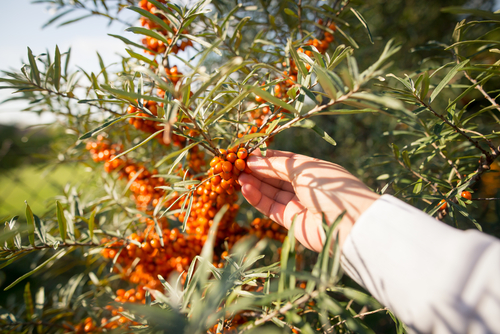
If you’re looking for a natural privacy screen, sea buckthorn makes a fantastic hedge! Plant them closer together to create a dense, thorny barrier that works as a great windbreak. And trust me, when those bright orange berries ripen, your “living fence” will be the most eye-catching feature in the neighborhood.