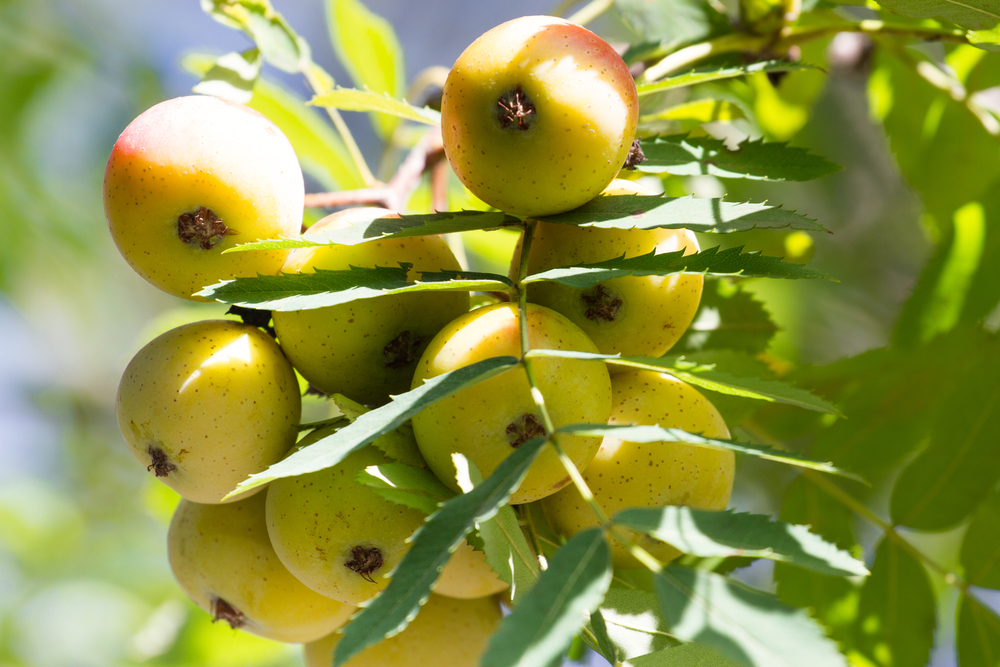
The Service Tree (*Sorbus domestica*) is a close cousin of the more common Mountain Ash, and while it’s a bit of a hidden gem these days, it used to be a backyard staple thanks to its unique fruit. As a member of the pome fruit group within the Rose family (*Rosaceae*), this tree has a lot of history and character to offer.
Flowers and Harvest: Patience is Key
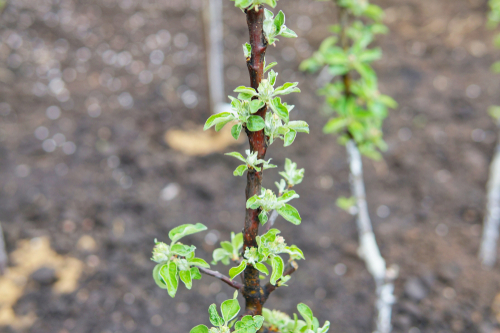
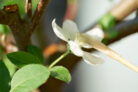
If you’re planning on adding a Service Tree to your landscape, you’ll need a little patience. It’s not an “instant gratification” kind of plant; you can usually expect your first blossoms—and the subsequent harvest—about 10 to 15 years after planting. Look for beautiful, wide clusters of white flowers to open up in late May. That’s your signal that fruit is on the way!
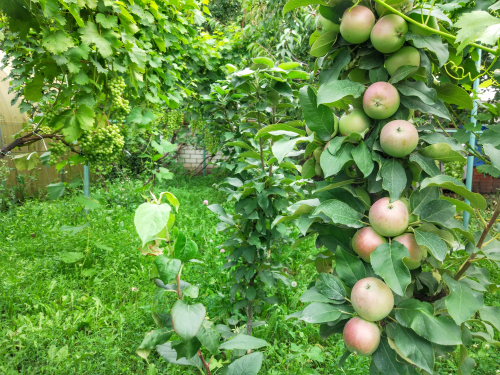
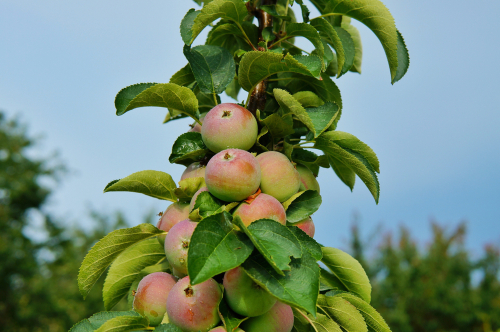
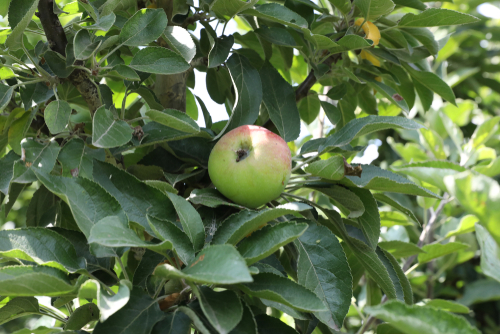
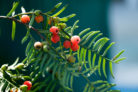
The fruits themselves are greenish-yellow and look like miniature pears or apples, usually growing to about an inch and a half long. While they aren’t toxic and you *can* eat them straight off the branch, I wouldn’t exactly call them a snack. They are incredibly tart and astringent until they are overripe.
What to Do With Service Tree Fruit
Because these fruits are packed with tannins, they are absolute superstars for making homemade wine or brandy. They also make fantastic fruit juices. If you’re into canning, try making jams or jellies by pairing them with:
- Apples
- Pears
- Quinces
The combination is a total delicacy! In fact, its reputation for making excellent fruit wine and juice is exactly why people used to plant them so frequently. But the benefits don’t stop at the fruit—the wood is incredible, too. It’s actually considered the hardest native wood in its region, making it a top choice for crafting musical instruments, spindles, and even traditional wine presses.
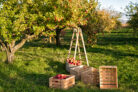
After a period of being overlooked, the Service Tree is making a serious comeback. It was even named “Tree of the Year” back in 1993 to help save it from extinction. We’re seeing it pop up in home gardens more often now, though you’ll need plenty of room since it can get quite large. Beyond the harvest, it’s a stunning ornamental tree—the orange foliage in the fall is a showstopper. Plus, it’s a fantastic habitat and food source for local wildlife. If you don’t have room in your yard, keep an eye out for them in traditional meadow orchards!