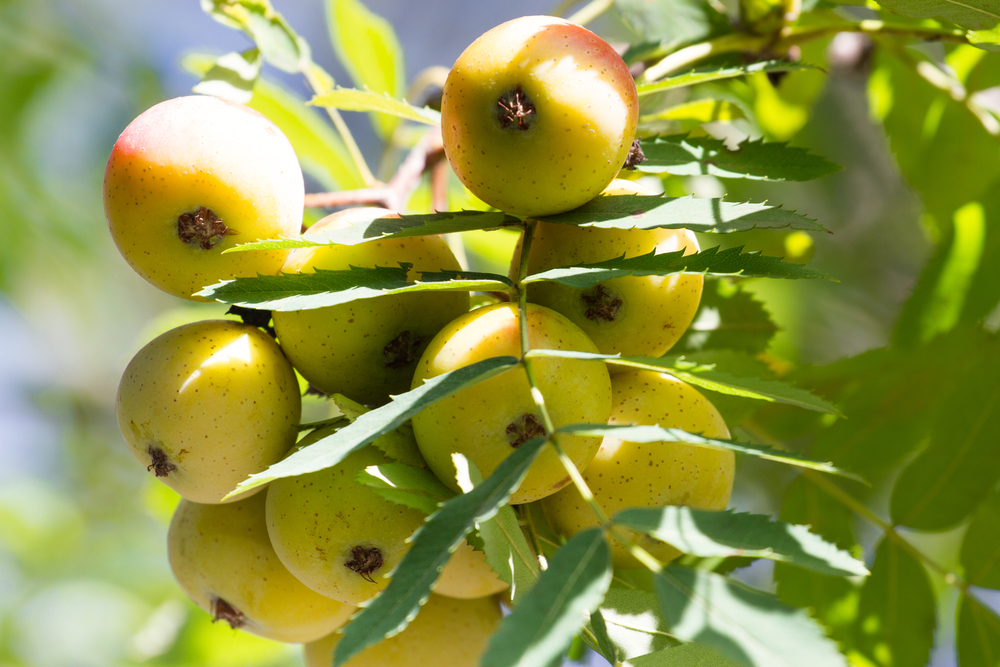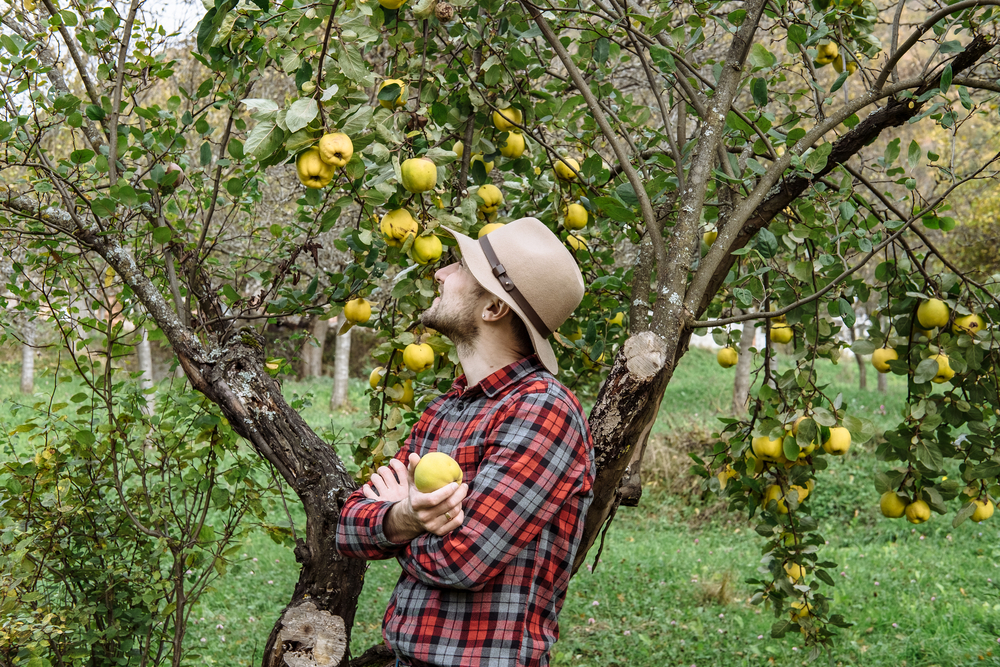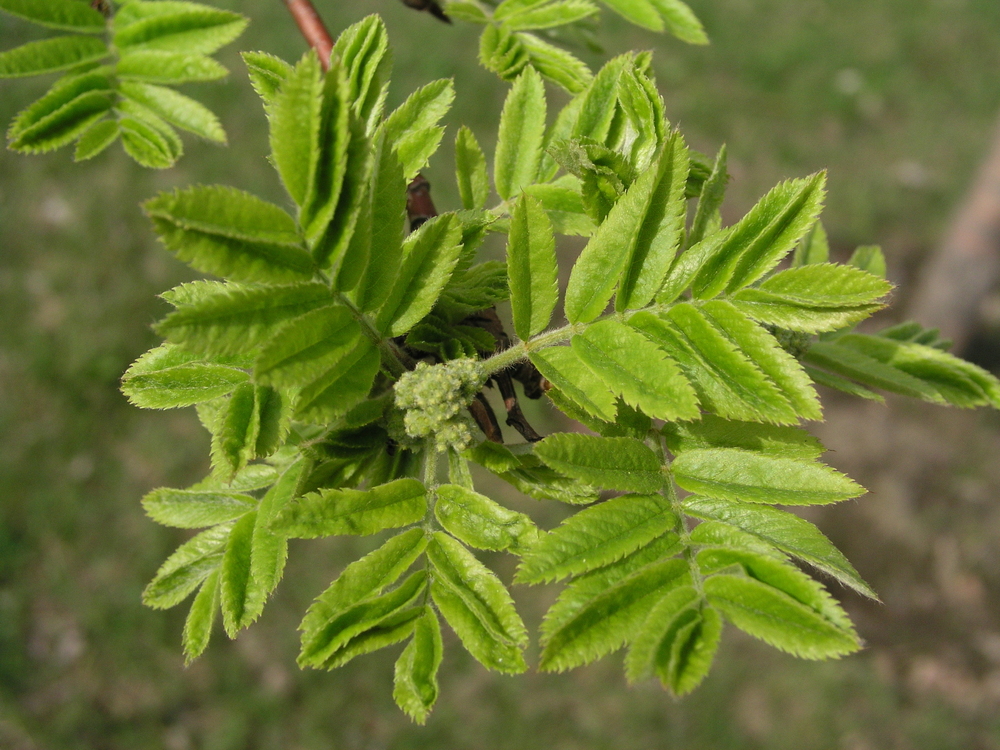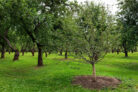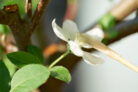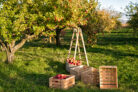
The Service Tree (*Sorbus domestica*), also known as the Sorb Apple, is a fascinating member of the pome fruit family and a relative of the rose. If you’re looking to add one to your landscape, you’re doing a great thing for the environment—these beautiful wild fruit trees are actually becoming quite rare, so planting one helps keep the species thriving!
Planting Time and Location Needs
If you have the space for a Service Tree, the absolute best time to get it in the ground is during the fall. The winter moisture gives the plant a head start on settling in, meaning you’ll see root activity as early as March. When shopping, try to find seedlings with a small root ball.
As for the perfect spot, think “warm and sunny.” These trees love lime-rich soil and prefer things on the drier side. Whatever you do, avoid areas where water pools; the Service Tree (especially when young) hates “wet feet” and won’t tolerate waterlogging. Keep your watering can in check and only water moderately.
Tips for a Successful Planting
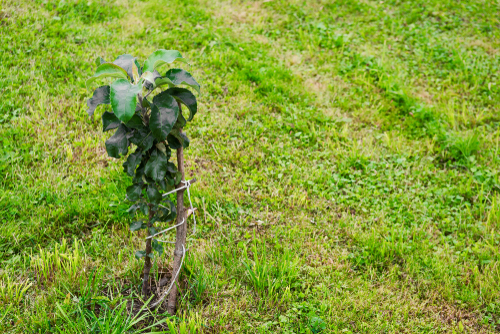
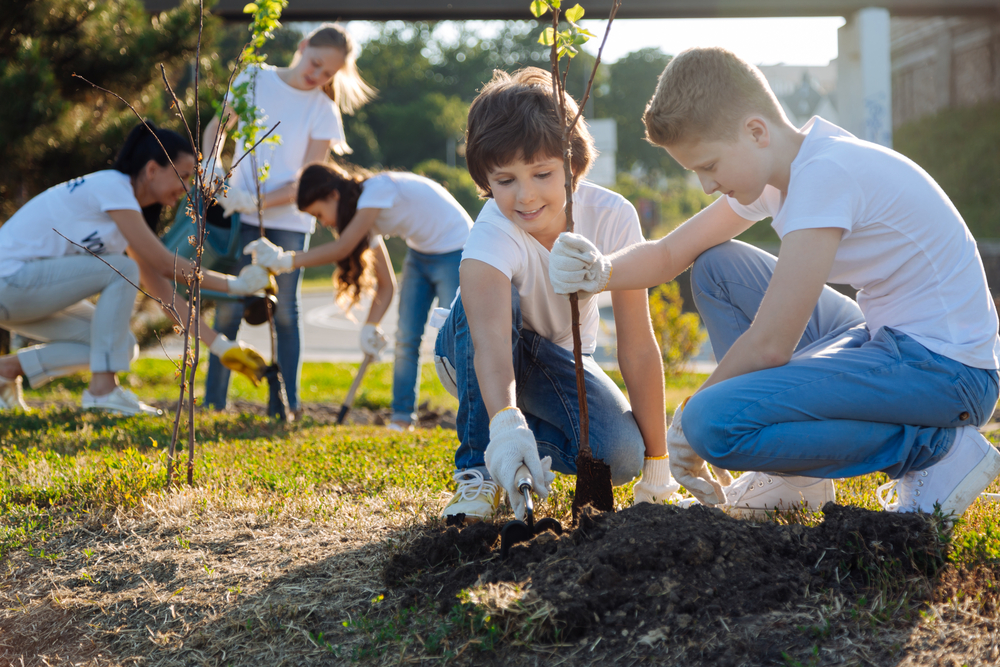
When you’re ready to dig, make sure your planting hole is about three times the size of the root ball. Set your young tree inside, backfill the soil, and give it a good, deep soak. Even though these trees are drought-tolerant once established, a generous watering right after planting is essential to help the soil settle.
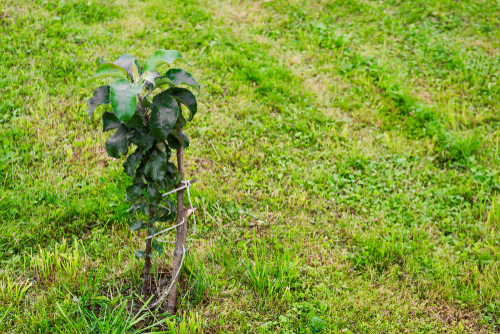
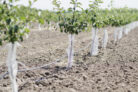
Service Trees tend to be overachievers—they grow very fast! Because they put on height so quickly, young plants can be a bit spindly. I highly recommend using a sturdy support stake, like a thick bamboo pole, to keep them upright. Without it, a heavy summer rain or a gust of wind could snap the trunk. Don’t worry, though; this is only necessary for the first few years. You’ll need a little patience for the fruit, as it usually takes 10 to 15 years for the tree to start producing. By then, the trunk will be plenty strong!
Extra Care and Protection
During the establishment phase, the Service Tree is a bit delicate. To help those roots take hold, water regularly but sparingly. Also, give it some breathing room! Make sure to clear away any nearby shrubs or competing trees that might crowd it out or steal its sunlight.
One heads-up: this wild fruit tree is like a magnet for critters. Voles love the roots, and rabbits or deer will happily munch on the leaves. To protect your investment, I suggest installing a “root basket” made of fine wire mesh directly into the planting hole. For the trunk, a simple spiral guard or some chicken wire wrapped around your support stake will keep those hungry rodents at bay.