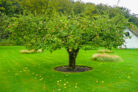
Apple trees are a total staple for home gardeners, and for good reason! When you give them a little TLC, they’ll reward you with a massive harvest. The secret to a healthy, manageable tree is getting your pruning right early on—trust me, it’ll save you a ton of work down the road and keep your tree looking gorgeous.
From Blossom to Basket: How Apples Grow
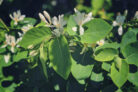
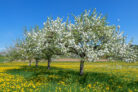
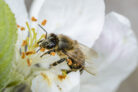
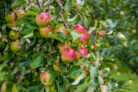
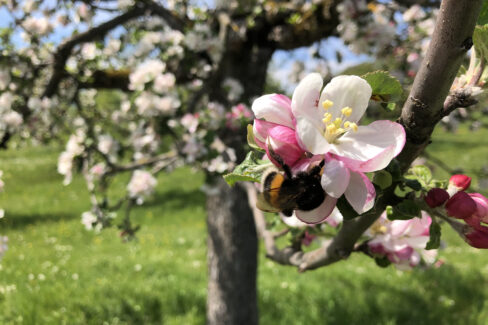
In the spring, you’ll see the buds that actually started forming way back in the fall finally wake up. First come the leaves and blossoms, and then the real magic happens. Thanks to pollination from bees, bumblebees, and other helpful insects, those flowers turn into fruit. By the end of summer, you’ve got full-grown apples in the colors and shapes unique to their variety. While the fruit is ripening, the tree is also busy underground and above, growing more roots, branches, and leaves until it’s finally harvest time.
Why Flowers Beat Leaves to the Punch
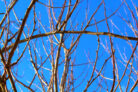
During the winter, your apple tree looks pretty bare, but it won’t be long before you spot those first buds. There’s a cool reason why the blossoms usually show up before the leaves: reproduction is the tree’s top priority. Researchers believe the tree pours all its initial energy into flowering first to ensure it can reproduce. Trying to grow a full canopy of leaves and produce flowers at the exact same time would just be too much of a workout for the tree!
Pruning: The Key to a Happy Tree
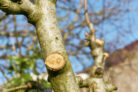
If you want a stunning tree and a heavy harvest, you can’t skip the pruning. It starts with the planting cut, which you should do the spring right after you plant it. After that, you’ll move on to training cuts (structural pruning) from years three to four. Once you’ve successfully shaped the crown—usually after about 6 to 10 years—regular maintenance is still a must to keep things in tip-top shape.
Location and Roots Matter
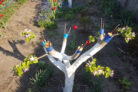
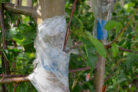
You’ll see tons of fruit trees at big-box hardware stores, but don’t just grab the first one you see! It pays to do your homework on the specific variety and its rootstock. The rootstock is a big deal because it determines the growth vigor and how much fruit the tree will produce. When you’re shopping, always check the rootstock info—it’s the best way to know the final size your tree will actually reach in your yard.
Pro Tip for a Bigger Harvest
Most apple trees aren’t self-fertile, meaning they need a partner to produce fruit. To get the best results, you should always plant a second, compatible apple tree nearby. This gives the bees and other pollinators a chance to move pollen between the trees, ensuring you have plenty of fruit to harvest come fall.