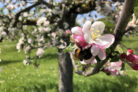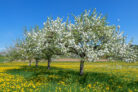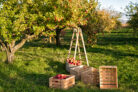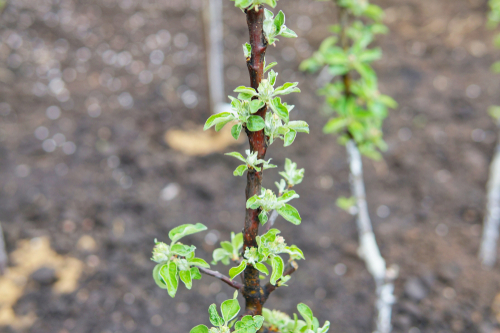
When you plant an apple tree in your backyard, you’re usually dreaming of two things: those gorgeous spring blossoms and a big harvest in the fall. But what happens when your tree stays green and refuses to bloom? It’s a total bummer, but don’t worry—I’ve got you covered. Let’s dive into why your apple tree might be acting shy and what you can do to fix it.
Why Your Apple Tree Isn’t Blooming (and How to Fix It)
Here’s the deal: no blossoms means no apples. Since most of us grow fruit trees specifically for the fruit, a flowerless spring is pretty frustrating. Usually, the culprit is one of these five things:
- Bad location
- Biennial bearing (Alternancy)
- Poor maintenance
- Pruning mistakes
- Frost damage
Location, Location, Location
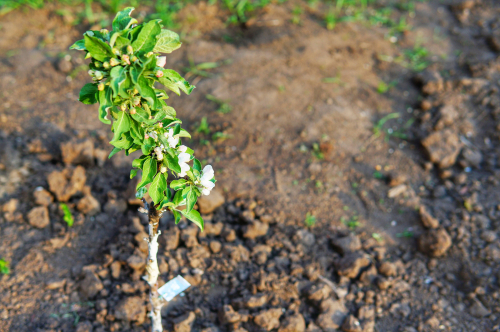
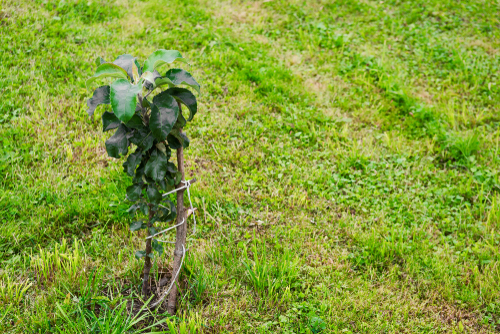
Fruit trees are sun-worshippers. They need plenty of sunlight to develop flower buds and ripen those tasty apples. If your tree is stuck in a dark, shady corner, it might just refuse to bloom. If you’re growing a columnar apple tree, the good news is they’re pretty easy to move. Try transplanting it to a spot that gets full sun.
Soil matters, too! Apple trees love loose, nutrient-rich soil. If your ground is heavy clay or super compacted, the tree is going to struggle. In that case, moving it to a better spot with improved soil is your best bet.
The “Off-Year” Cycle (Alternancy)
Many apple varieties—including some columnar types—fall into a pattern called “alternancy” or biennial bearing. Basically, if the tree goes all out one year with a massive harvest, it might take a “sabbatical” for the next year or two to recover. This is especially common in older trees, and honestly, it’s nothing to worry about.
The tree is just recharging its batteries. It’s a self-defense mechanism to make sure it doesn’t exhaust itself. Sometimes you’ll still get a few flowers, but other times it’ll just stay green until it’s ready to produce again.
Maintenance Mishaps
Apple trees are thirsty plants. If they don’t get enough water while they’re trying to set buds, they might just skip the flowering phase entirely. They’re also “heavy feeders,” meaning they need a lot of nutrients. If the soil is depleted, the blooms won’t show up.
I always recommend a regular dose of compost to keep them happy. One pro tip: avoid high-nitrogen fertilizers. Nitrogen is great for making the tree grow tall and leafy, but too much of it actually discourages flowering. You’ll end up with a giant green tree and zero apples!
Pruning and Thinning Mistakes
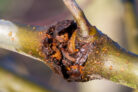
Here’s a fun fact: apple trees actually start developing next year’s flower buds during the current summer while the fruit is still growing. To prevent that “off-year” cycle I mentioned earlier, it’s a good idea to thin out the fruit if the branches are overloaded. This tells the tree it has enough energy to start making flowers for next season.
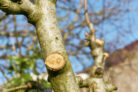
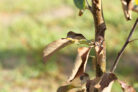
When it comes to pruning, less is more. If you get too aggressive with the shears, you might accidentally cut off all the wood where the buds were supposed to form. Also, keep an eye on the weather report—late spring frosts can zap delicate buds before they even have a chance to open. Protect your trees if a cold snap is coming!