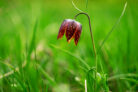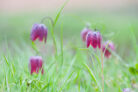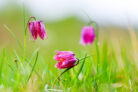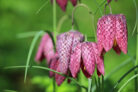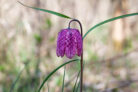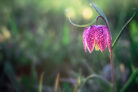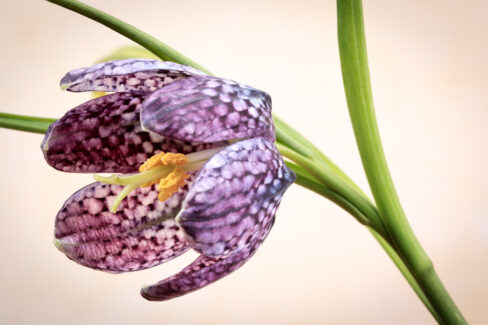
In the garden, the Snake’s Head Fritillary (also known as the Checkered Lily) loves damp spots like wet meadows or the edges of a pond. While you can definitely grow these beauties as houseplants, there are a few trade-offs you should know about before you start.
Ornamental Value
People love the Checkered Lily for its unique, nodding bell-shaped flowers that feature a stunning checkerboard pattern. The blooming season hits in the spring. However, while they’ll show off for about two weeks outdoors, they usually only last a few days when kept inside. Once the flowers fade, the plant dies back completely, retreating into its bulb to wait underground until next spring.
Location
If you’re growing *Fritillaria meleagris* indoors, you’ll want to find a spot that is bright but stays out of direct sunlight and away from drafty windows. Most importantly, keep it away from the radiator! These plants hate dry heat and will wilt if they get too warm.
Care
The Checkered Lily is pretty low-maintenance, but it is very picky about its water.
Watering
Since these are moisture-loving plants, you need to keep the soil consistently damp. But here’s the catch: they hate “wet feet.” Standing water can lead to root rot, so make sure your pot has:
- At least one drainage hole
- A solid drainage layer (like pebbles) at the bottom
Always empty any excess water that collects in the saucer. Also, don’t stop watering once the flowers are gone! You need to keep the soil moist so the bulb doesn’t dry out during its dormant phase.
Fertilizing
You only need to feed your Checkered Lily while it’s actually blooming. No need for anything fancy—a standard liquid fertilizer for flowering plants will do the trick.
Repotting
Give your lily a fresh start with a new pot and fresh soil every two to three years. When you repot, double-check that drainage layer to make sure it’s still doing its job. If it looks clogged, swap it out for fresh material.
Overwintering
To get your potted Checkered Lily through the winter, move it to a spot that is:
- Cool
- Dark
Even though it’s resting, don’t forget about it entirely! Check on it occasionally to make sure the bulb hasn’t completely dried out.