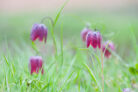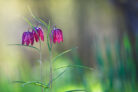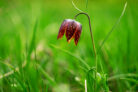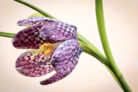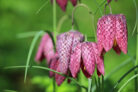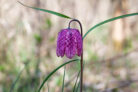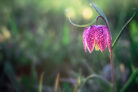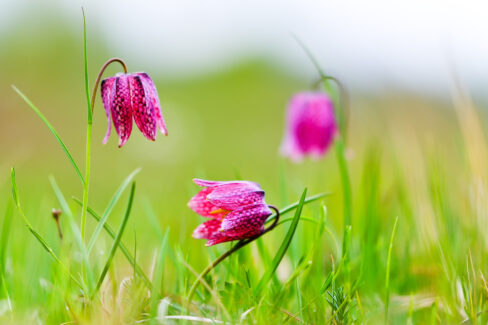
There are a few different ways to propagate the Checkered Lily—also known as the Snake’s Head Fritillary or Guinea Hen Flower. One popular method is growing them from seed. While some gardeners say it’s a bit of a project, there’s actually a super simple way to go about it if you know the tricks.
Harvesting Seeds
If you already have some seeds growing in your yard (or maybe a neighbor’s!), you’re in luck. To make sure the plant actually produces seeds, resist the urge to deadhead those beautiful bell-shaped flowers once they fade. You need to let the seed pods develop where the blooms used to be. These capsules usually ripen around May or June. Once they’re ready, just snip them off carefully and pop the seeds out.
When to Sow
You can sow Checkered Lily seeds in either the fall or the spring. Here’s the breakdown of how to do both:
Sowing in the Fall
Direct Sowing in the Garden
Planting directly into your flower bed is by far the easiest way to grow these beauties. Why? Because you can skip the tedious “stratification” process. Mother Nature takes care of the cold snap the seeds need to wake up during the winter. The only downside? You’ll have to be patient and wait until next spring to see if your hard work paid off.
Starting Seeds Indoors
If you’d rather have more control, you can start young plants indoors. However, since you’ll need to mimic winter yourself, you’ll want to start this process in August. To “stratify” these cold-germinating seeds, follow these steps:
- Fill a resealable plastic bag with some damp sand and your seeds.
- Give it a good shake to mix them up.
- Seal the bag tight.
- Pop it into the vegetable crisper drawer of your fridge for four to six weeks.
- Check on them occasionally to make sure the sand stays moist.
Once the seeds have had their “winter” in the fridge, you’re ready to sow them:
- Use a container filled with high-quality seed-starting mix.
- Cover the seeds with just a thin layer of soil.
- Give them a good misting with water.
Place your pots in a spot that is:
- Bright, but away from direct, scorching sunlight.
- Kept at a steady temperature of about 68°F (20°C).
Keep the soil consistently moist. Once your seedlings have grown two or three pairs of leaves, you can “prick them out” (carefully move them to individual pots). After they’ve spent their first winter in a sheltered spot, you can transplant your young Checkered Lilies out into the garden.
Sowing in the Spring
If you prefer spring planting, get them in the ground as soon as the soil has thawed. Since they won’t get a natural winter chill at this time of year, you’ll need to use the refrigerator stratification method mentioned above before you head out to the garden.