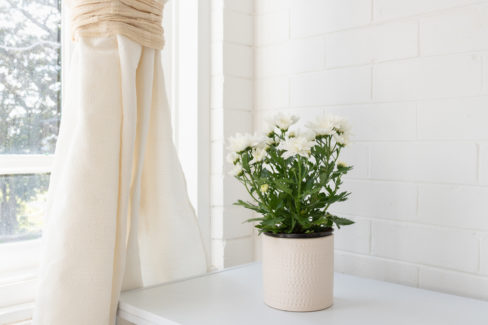
Did you know that chrysanthemums are actually considered the oldest houseplants ever cultivated in China? Back in the day, they only bloomed in yellow, but nowadays, you can find them in just about every color of the rainbow. We usually see these “mums” popping up everywhere in the fall, but sadly, most people toss them out once the blooms fade. That’s a total waste because they actually make fantastic year-round houseplants!
The “Golden Flower” – A Stunning Houseplant
The name “Chrysanthemum” comes from the Greek words for “Golden Flower,” which is a nod to those original yellow petals. But if yellow isn’t your vibe, don’t worry! You can find them in plenty of other shades like:
- Red
- Pink
- Purple
- Orange
- White
- Multi-colored varieties
What to Look for When Buying
If you’re heading to the garden center to pick out a new plant, you want to make sure you’re getting a healthy one that will last. Here’s my quick checklist:
- Look for plenty of buds that are just starting to open.
- Check for any signs of pests.
- Make sure the plant isn’t damaged or dirty.
- Avoid plants with wilted flowers or yellowing leaves.
- Steer clear of plants kept in dark corners (lack of light makes the buds drop!).
- Pick a plant that has been kept in a cool area.
The Perfect Spot
Mums love bright light, but they aren’t huge fans of direct, scorching sun. A spot by a north-facing window is usually just right. During the summer months, feel free to move them out onto your balcony or patio to soak up some fresh air.
The Best Soil
Indoor chrysanthemums aren’t too picky; standard potting soil works great. I like to mix in a little sand or clay granules (about a 2:1 ratio) to help with drainage. Since these beauties hate “wet feet,” it’s a smart move to put some broken terracotta shards or pebbles at the bottom of the pot to prevent water from sitting.
Care and Maintenance
Watering and feeding are the two big secrets to a happy mum. These plants are “heavy feeders,” meaning they have a big appetite! During their growing season (April through September), give them some liquid fertilizer every two weeks. As for water, wait until the top layer of soil feels dry to the touch. Remember: they don’t like to be bone-dry, but they don’t want to be swimming in water either.
To keep your plant looking bushy and full, pinch back the tips of the new growth regularly. Once the flowers start to fade, snip them off to keep the plant tidy. After the blooming season is totally over, you can give the whole plant a good, deep pruning. Since mums grow pretty fast and spread via runners, you’ll want to repot them every two years. If your plant is getting huge, that’s also the perfect time to divide it into two separate plants!
Finally, at the end of the year, your chrysanthemum needs a little “winter nap” to recharge. Move it to a cool room (around 40-50°F). It doesn’t even need much light during this time—just a quiet place to rest before it starts all over again!