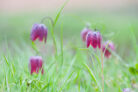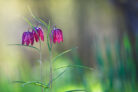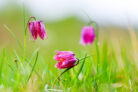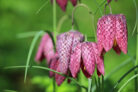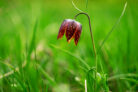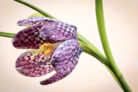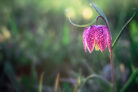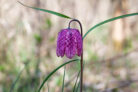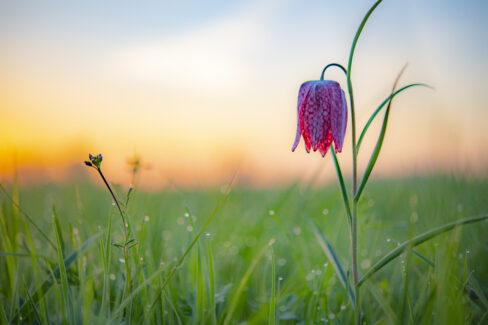
The Snake’s Head Fritillary (bot. *Fritillaria meleagris*), also known as the Checkered Lily or Guinea-Hen Flower, can be started from seed in either the fall or the spring. The exact method you’ll use depends on the season, because these unique beauties are “cold germinators.”
Cold Germinators
For cold-germinating plants to actually sprout, they need a “cold shock” to wake them up. In nature, winter takes care of this naturally. However, you can also mimic this process yourself by keeping the seeds in the refrigerator for a few weeks before planting. In the gardening world, we call this artificial cold treatment “stratification.”
How to Stratify Your Seeds
Here’s the step-by-step:
- Fill a sealable plastic bag with a little bit of damp sand.
- Add your seeds and give it a good mix.
- Seal the bag tightly.
- Pop it into the vegetable crisper drawer of your fridge for four to six weeks.
- Check the sand regularly to make sure it stays moist; add a spritz of water if it starts to dry out.
Sowing in the Fall
If you’re planting your Checkered Lilies in the fall, you’ve got two main options:
- Sowing them directly into your garden beds.
- Starting them in containers to grow as transplants.
Direct Sowing in Autumn
Tossing your seeds directly into the garden in the fall has some great perks:
- Nature handles the cold shock for you over the winter.
- You don’t have to worry about manual stratification.
- There’s basically zero maintenance for the seeds and seedlings during the winter.
However, there are a couple of downsides to keep in mind:
- You won’t know if you were successful until spring, and not every seed will sprout.
- Hungry birds love to snack on these seeds over the winter. (You’ll definitely want to lay down some fine-mesh netting to protect them.)
Growing Young Transplants
If you want to get a head start and grow transplants for the spring, you’ll need to start the cooling process in July or August. After that:
- Sow the seeds in a container filled with seed-starting mix.
- Cover them with a very thin layer of soil.
- Give them a good watering.
- Place the container in a bright spot, but out of direct sunlight.
- Keep them at a temperature of around 68°F (20°C).
- Keep the soil consistently moist over the following weeks.
You’ll want to “prick out” (repot) the seedlings into low-nutrient soil once:
- They have developed two to three pairs of true leaves.
- The little plants have reached a height of about four inches.
After that, keep the young lilies in a cool spot over the winter until they are ready to be planted out in the spring.
Sowing in the Spring
If you wait until spring to sow, you’ll still need to stratify the seeds in the fridge first. You also need to wait until the ground at your planting site is no longer frozen. Just like with fall sowing, make sure to protect your seeds from hungry birds once they hit the dirt!