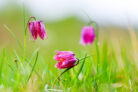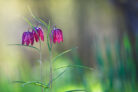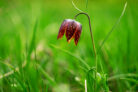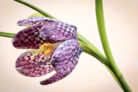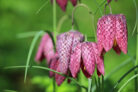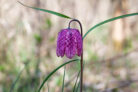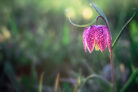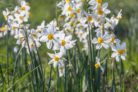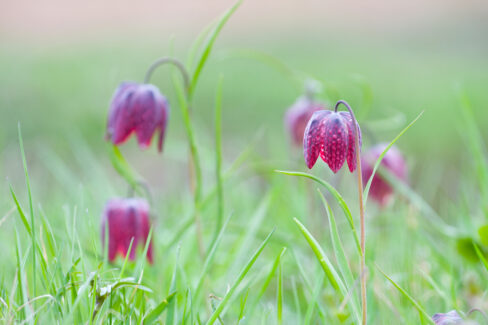
The Snake’s Head Fritillary—also known as the Checkered Lily or Guinea Hen Flower—is a real showstopper in the spring garden, showing off its unique bell-shaped blooms from April through May. Once the flowers fade, the plant retreats back into its bulb to rest until next year. This dormant period is actually the perfect time to think about expanding your collection!
Propagation
If you want more of these stunning *Fritillaria meleagris* in your garden, you have three main options:
- Offset bulbs (bulblets)
- Bulb scales
- Seeds
Of course, there’s also “self-seeding,” where the plant just does its own thing. Unlike the controlled methods below, this is nature’s way of spreading seeds via the wind or by dropping them right where they grow. If you’re lucky, this can lead to a gorgeous, natural-looking carpet of flowers over time.
Offset Bulbs
Buying offset bulbs (or “bulblets”) is common, but you can also harvest them from your own established plants. This is widely considered the easiest way to get more lilies. Since these little “daughter” bulbs grow directly off the main “mother” bulb, it’s a form of vegetative propagation—meaning the new flowers will be identical clones of the original.
The best time to do this is at the end of the growing season, once the foliage has completely withered away:
- Carefully dig up the bulbs.
- Gently detach the small offset bulbs from the sides of the main bulb.
- Try to keep any “wounds” or damage to a minimum.
- Get those daughter bulbs into their new spot in the garden as quickly as possible (they dry out fast!).
- Keep the soil consistently moist.
Bulb Scales
Using bulb scales is a bit more of a project and requires a steady hand, but it’s a fun challenge for seasoned gardeners. August is the prime time to start:
- Dig up a healthy, well-developed bulb.
- Carefully snap off a scale from the outer part of the bulb.
- Treat the “wound” on the mother bulb with a little charcoal or sulfur powder to prevent rot.
- Replant the mother bulb immediately.
- Stick the scale halfway into a pot filled with slightly damp seed-starting mix.
- Cover it with a plastic dome or bag to create a mini-greenhouse effect.
- Place it in a semi-shaded spot at room temperature.
After a few weeks, you should see tiny new bulblets forming. At that point, move them into their own pots and keep them somewhere cool (around 40°F) over the winter, making sure the soil stays slightly damp. Move the pots outside the following spring. By late summer, once they’ve grown into sturdy bulbs, they’re ready to be planted in their permanent home.
Seeds
Growing Checkered Lilies from seed is the “sexual” way these plants reproduce. This means you might get some fun variations, as the offspring won’t necessarily look exactly like the parent plant. Just a heads-up: this method takes some patience! These seeds are “cold germinators,” meaning they need a period of chilling (stratification) to wake them up before they’ll even think about sprouting.