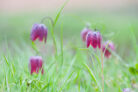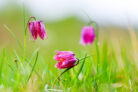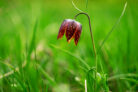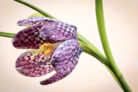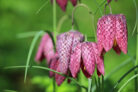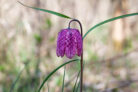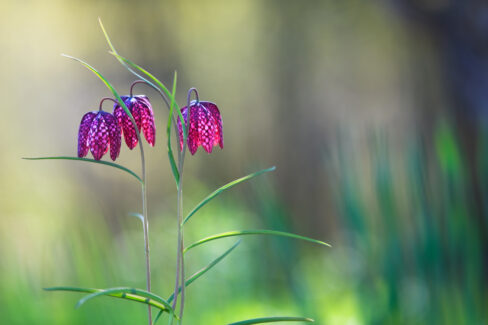
If you’re looking to expand your collection of Checkered Lilies (also known as Snake’s Head Fritillary or *Fritillaria meleagris*), growing them from seed is definitely an option. I’ll be honest with you, though: this method is a bit of a marathon, not a sprint. It can be a little finicky, and even experienced gardeners usually see about a 50% success rate when starting young plants. But for a flower this unique, it’s well worth the effort!
Harvesting the Seeds
To get seeds from your own plants, you’ll need to resist the urge to deadhead. Leave those beautiful bell-shaped flowers alone after the blooming period ends. The plant will eventually form three-chambered seed capsules that grow to about half an inch long. Once these capsules have fully ripened in May or June, carefully snip them off to collect the seeds.
Pro tip: You can also tie small mesh bags (like organza party favor bags) over the capsules while they’re still on the stem. That way, when the pods pop open, the seeds fall right into the bag instead of onto the ground!
Storing the Seeds
Once you’ve harvested your seeds, it’s usually best to store them for a bit. If you sow them immediately during a hot, dry summer spell, they might lose their ability to sprout. Keep them in a cool, dark, and dry spot. They have a natural dormancy period, so they won’t start growing until they’ve been “woken up” by the right conditions.
The Cold Treatment (Stratification)
Checkered Lilies are “cold germinators,” meaning they need a period of chilly weather to trigger their growth. In nature, winter takes care of this, which is why many gardeners sow them outdoors in the fall. If you go the autumn route at your planting site, just be sure to cover the area with a fine mesh net to keep hungry birds from snacking on your seeds.
If you prefer to start your seeds in the spring, you’ll need to play Mother Nature and give them a “fake winter” in the fridge. This process is called stratification. Here’s how to do it:
- Fill a sealable plastic bag with some damp sand.
- Toss in your seeds and give them a good mix.
- Seal the bag tight.
- Pop it into the vegetable crisper drawer of your fridge for four to six weeks.
- Check the sand occasionally to make sure it stays moist; give it a quick mist of water if it’s drying out.
Whether you bought your seeds from a shop or harvested them yourself, this cold treatment is usually the secret sauce to getting them to sprout when you finally sow them.