If you already have a peppermint plant growing in your garden, propagating it from cuttings is a total breeze. But if you’re starting your mint journey from scratch, you can easily pick up some established plants or a packet of seeds at your local garden center.
Sowing Peppermint Seeds
For the best results, I recommend starting your seeds indoors on a sunny windowsill sometime in February. You’ll want to give them a head start in a warm room because the ground outside is just too cold and frosty until at least May. By starting early, you’ll have sturdy little transplants ready to hit the garden as soon as the weather warms up.
Here’s how to get your seeds started in pots:
- Fill your containers with a loose, high-quality seed-starting mix.
- Sprinkle your seeds thinly across the surface.
- Pro tip: Don’t cover the seeds with soil! Peppermint needs light to germinate.
- Keep the soil consistently moist, but never soggy.
- Avoid standing water so the seeds don’t rot.
- Cover your pots with some plastic wrap to create a mini-greenhouse effect.
- Be sure to lift the plastic daily to let in some fresh air and prevent mold.
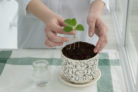
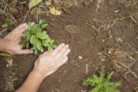
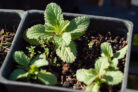
You should see the first sprouts popping up after about three weeks. Once they appear, you can ditch the plastic wrap. When the seedlings are big enough to handle, gently transplant them into their own individual small pots. Around mid-May, once the threat of night frost has passed, these youngsters are ready to move into well-loosened garden soil.
Sowing Directly in the Garden
If you’d rather skip the indoor step, you can sow seeds directly into a partially shaded garden bed starting in mid-May, once the soil has warmed up to about 60–65°F. First, loosen the soil deeply and clear out any weeds. If your soil is heavy or compacted, mix in some sand to improve drainage, and add a bit of compost to give the plants some extra nutrients.
Scatter the seeds thinly in rows or across the bed. Again, remember not to cover them since they need light to grow! Once the seedlings emerge, thin them out so they are about 6 inches apart. When they reach a height of 4 to 6 inches, you can move them to their permanent home in the garden.
One quick warning: Peppermint loves to take over! Since it spreads aggressively via its roots, it’s a smart move to install a root barrier (like a buried bucket or specialized edging) right when you plant. Also, make sure to give your plants about 20 inches of space between each other to ensure good airflow and keep diseases at bay.