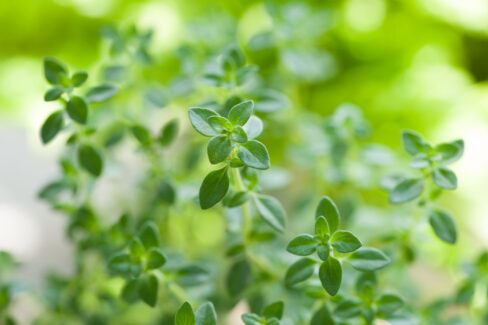
Growing your own thyme from seed is a total breeze! To give your herbs the best start, I recommend starting them indoors where it’s cozy and protected, then moving them out to the garden once the threat of frost has passed. Here’s my go-to guide on how to get your thyme garden started.
Where to get your thyme seeds
One of the coolest things about thyme is that many varieties are prolific self-seeders. If you already have a plant, you can easily use those seeds to propagate more. Just leave the flowers on the plant until they develop hard, ripe seeds. Once you harvest them, let them dry out completely and store them in a cool, dark spot—a simple paper bag works perfectly. Of course, if you’re starting from scratch, you can always pick up a packet of seeds at your local garden center.
How to sow thyme like a pro
To get the best germination rates, there are a few “personality traits” of thyme seeds you should keep in mind:
- They are light germinators (don’t bury them!).
- The seeds are teeny-tiny and very light.
- They love a germination temperature of about 60°F (15°C).
- You’ll usually see sprouts within two weeks.
If you’re starting on a sunny windowsill, you can get going as early as March. If you’re using a cold frame, wait until April or May. Pick a spot that gets plenty of sunshine. For the soil, use a lightly moistened seed-starting mix blended with a bit of sand. Scatter the seeds evenly on top and just press them down gently—remember, they need light to wake up!
To keep the humidity steady, cover your pots with some plastic wrap (poke a few holes in it first). Use a spray bottle to mist the soil so you don’t wash the tiny seeds away. Don’t forget to lift the plastic for a bit every day to let some fresh air in and prevent mold.
Once you see those cute little green shoots popping up, you can ditch the plastic wrap. About four weeks after sowing, it’s time to “prick out” (transplant) the seedlings. I usually put about four seedlings together in a larger pot to create a nice, bushy cluster. After another four weeks, your thyme babies are ready to be planted outside. Just make sure those chilly frost nights are officially over before they make the big move!