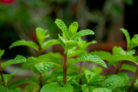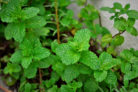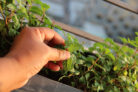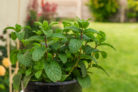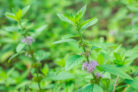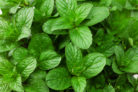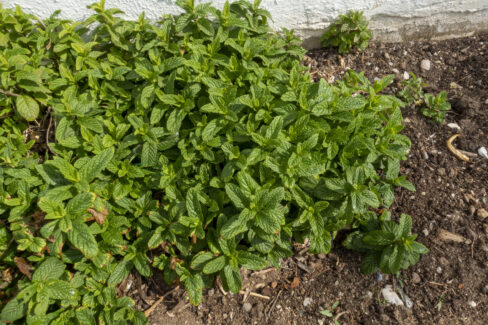
Peppermint is a hardy, leafy perennial that’s a total rockstar in almost any garden. Whether you’ve got a big backyard plot or just a few pots on your balcony, this herb is happy to call it home. That said, if you want that top-tier flavor and lush growth, picking the right spot is key.
Where does mint grow best?
Mint is a fan of partial shade and isn’t a big lover of harsh, direct sunlight. A spot with dappled sunlight works perfectly, too. What it really craves is soil that stays fresh, slightly moist, and packed with nutrients. Ideally, you want a location that’s warm but airy, with a little protection from heavy wind and rain.
Keep in mind that even the best spot gets “tired” after about 3 to 4 years. To keep your mint vigorous and prevent diseases, it’s a good idea to move it to a fresh patch of soil every few years. If you’re growing mint in containers on your balcony or patio, plan on repotting them into a larger home with fresh soil every 2 years.
The Soil
Standard garden soil, especially when boosted with some well-aged compost, is perfect for peppermint. Just give the area a good weeding and loosen up the earth before you start. Here’s a quick checklist for ideal mint soil:
- Rich in nutrients and organic matter (humus)
- Can handle a mix of sand and clay
- A pH level around 7.0 (neutral)
- Well-draining
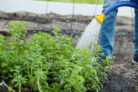
- Consistently moist, but never soggy
- Avoid standing water at all costs
- Consider adding a drainage layer if your soil is heavy
A great “secret spot” for mint is under tall deciduous trees. The canopy acts like a natural umbrella, protecting the plants from torrential rain, scorching sun, and gusty winds.
Planting
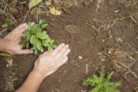
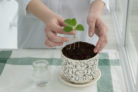
Getting your peppermint in the ground is super easy! The best time to plant nursery-starts is around mid-May. One pro-tip: use a root barrier (like a bottomless bucket or specialized edging) because mint loves to take over the whole garden if you let it. Give it about 20 inches (50 cm) of space from its neighbors to ensure good airflow and keep pests or diseases from jumping ship.
Winter Care
In late autumn, it’s time to cut your peppermint back close to the ground. While you can still use the leaves at this stage, they won’t be nearly as flavorful as the spring harvest. I recommend drying your spring leaves for tea and using these late-season stems for compost—or even tucking them into a flower arrangement for a fresh scent! Once you’ve trimmed it back, cover the rootstock loosely with some brushwood or evergreen branches. Even though peppermint is winter-hardy, a little “winter blanket” helps protect it from those really deep freezes.