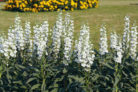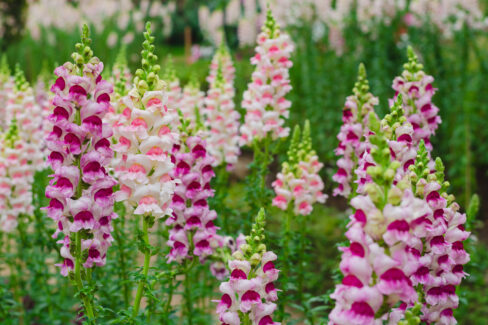
Snapdragons are actually perennial plants! If you give them a little extra TLC in the fall, you can enjoy those iconic blooms for several years in a row.
A Mediterranean Native in Your Backyard
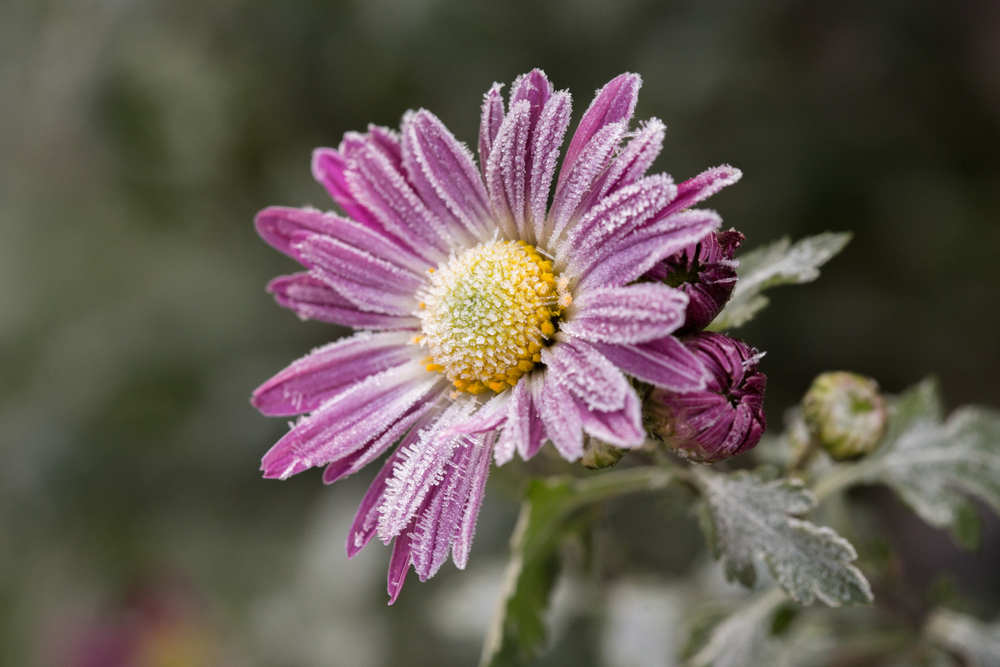
It might seem a bit surprising that snapdragons can survive a chilly winter, especially since they originally hail from Southwestern Europe. Even though their natural home is the sunny Mediterranean, these tough little plants can actually handle a hard frost—as long as you prep them correctly in the autumn.
Skip the Fall Pruning
The most important tip for overwintering your snapdragons is to put the shears away. You should definitely avoid pruning them before winter sets in. The plant actually uses its dried-up stems and foliage as a natural insulation layer to protect the root system from the cold. To give them an even better chance of survival, I recommend adding a protective mulch layer over the roots. Great options for this include:
- Bark mulch
- Evergreen brush/twigs
- Fallen leaves
Once spring rolls around, you can finish the cleanup you skipped in the fall. Just cut the old growth back to about two hand-widths above the ground. After that, it’s time to give them a boost with some fertilizer. My favorite options for happy snapdragons are:
- Compost
- Horn shavings (or bone meal)
- Liquid flower fertilizer
Not Every Variety is a Perennial
When you’re shopping at the garden center, keep in mind that not all snapdragons are created equal. You’ll often see “F1 Hybrids” for sale. These are specially bred to grow super fast and produce a massive amount of blooms all at once. The trade-off? These hybrids are usually treated as annuals and won’t come back next year. If you have these in your garden, you’ll want to pull them up in the fall to clear the spot so you can plant fresh ones in the spring.