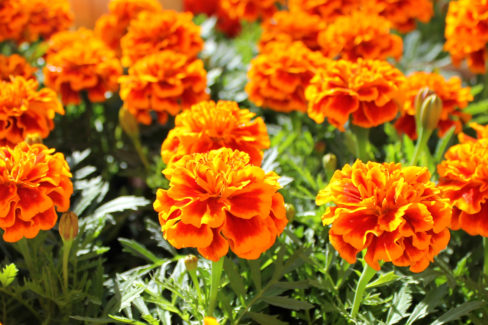
Marigolds put on a spectacular show all summer long, but once winter hits, those vibrant colors unfortunately disappear from our garden beds. To keep the floral party going year after year, you’ll need a fresh batch of plants for the new season. The good news? Whether you’re a seasoned pro or a total gardening newbie, growing your own marigolds at home is a breeze!
Harvesting Seeds in the Fall
Once you’ve got marigolds in your garden or in pots, keeping them around for years is actually pretty easy—even though they aren’t winter-hardy. As long as you don’t deadhead every single wilted flower during their long blooming season, the plants will produce plenty of viable seeds by autumn. Just make sure to wait until the flower head is completely dried out before you harvest the seeds.
- To be safe, let the seeds finish drying out indoors.
- A few days should do the trick.
- After that, store them in a cool, dark, and dry spot until it’s time for planting.
Don’t worry if those little needle-like seeds get mixed in with other dried flower bits; as long as everything is bone-dry, they’ll be just fine.
Pro Tip:
If you didn’t get a chance to save your own seeds or want to try out a new variety, you can find affordable seed packets at any local garden center or online shop.
Sowing Directly Outdoors
You can definitely sow marigold seeds directly into the ground, but you’ll need to wait until at least late April to avoid the risk of frost. Keep in mind that since the plants have to start from scratch outside, they won’t start blooming until around June.
Starting Seeds Indoors
If you want a head start, you can begin pre-growing your young plants indoors as early as late February. Since marigolds are light-dependent germinators, starting them inside gives them a massive growth boost, meaning you’ll see flowers as early as May. Here’s how to do it step-by-step:
- Fill a large seed tray or container with a low-nutrient seed-starting mix.
- Spread the seeds on top and press them down gently.
- Do not cover the seeds with soil—they are light-germinators and need light to sprout!
- Use a spray bottle to mist the soil. This keeps the lightweight seeds from being washed away.
- Cover the tray with a glass pane or plastic wrap to create a humid “mini-greenhouse” effect. Just remember to vent it daily so you don’t end up with mold.
- Place the container in a warm, bright spot.
- You should see the first sprouts in about two weeks; once they appear, you can remove the cover entirely.
- Once the seedlings have developed two pairs of leaves, it’s time to prick them out (transplant them into individual pots).
When to Plant Your Young Marigolds
Wait until mid-May before you move your marigolds into the garden or out onto the balcony in large pots. If you give them a sunny spot and some soil enriched with compost, you’re all set for a gorgeous, flower-filled summer!