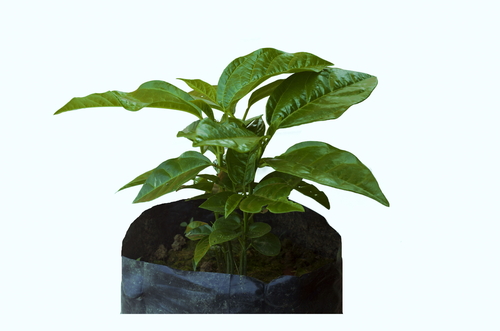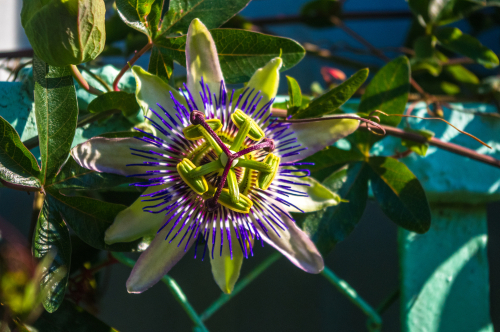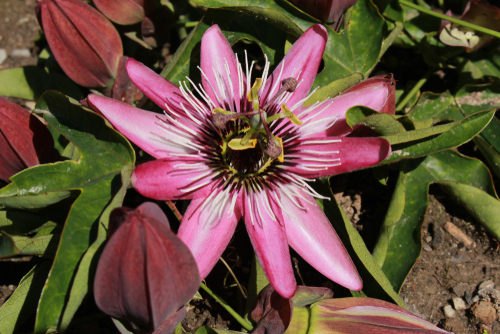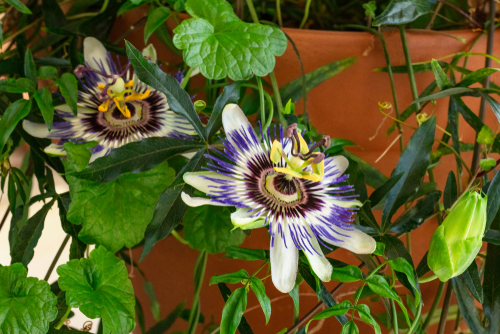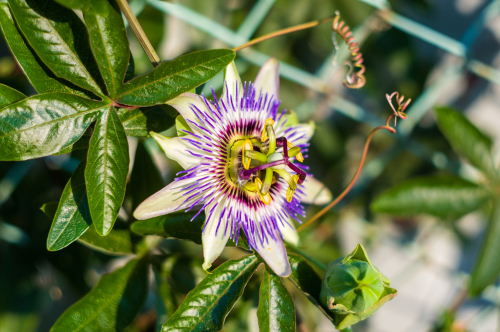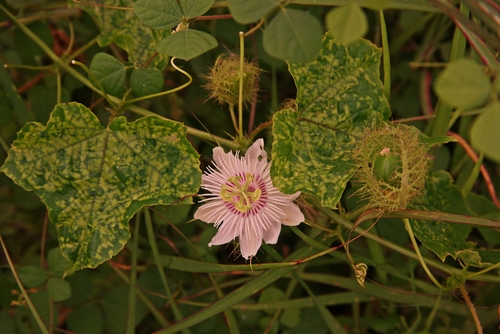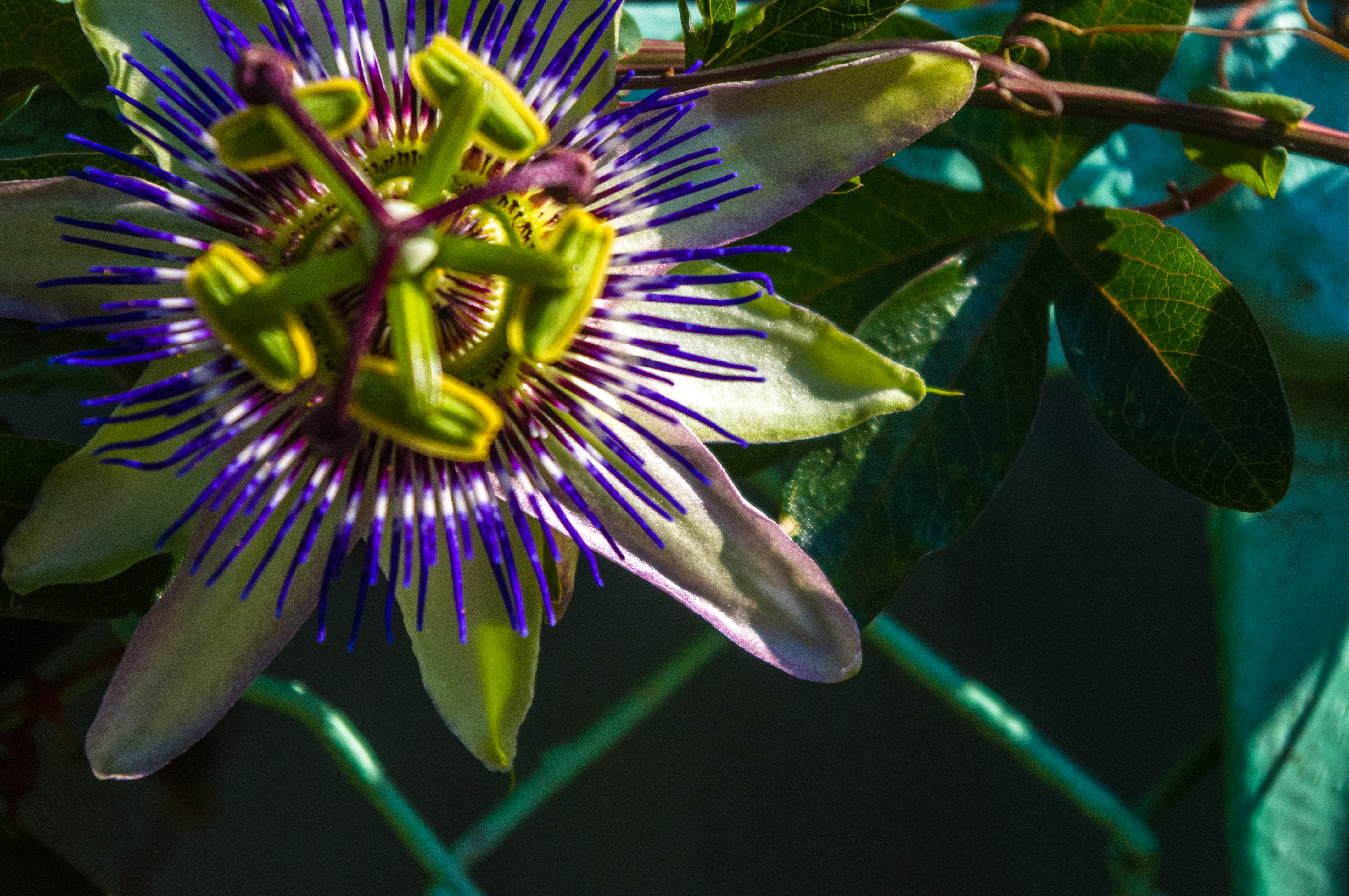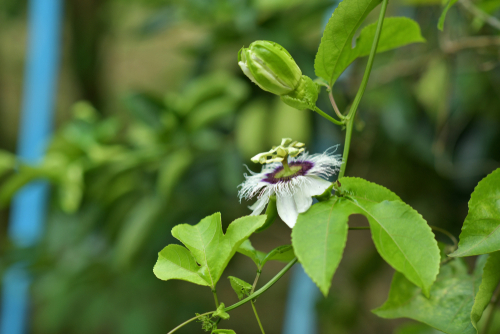
When your passion flowers are in full bloom during the summer, it’s hard not to want more of them! If you’re looking to expand your garden, you’ve got two main options: starting from seed or taking cuttings. While growing from seed is a fun challenge, I’ll be honest—it takes a bit of work.
Passion flowers rarely fruit on their own
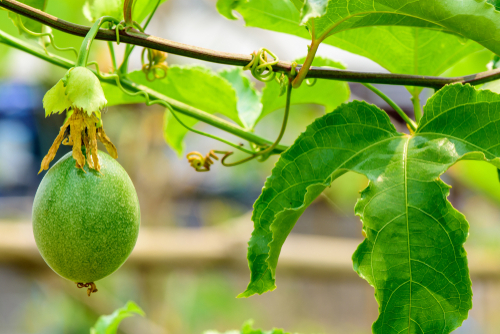
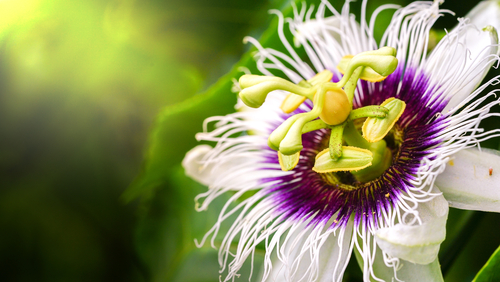
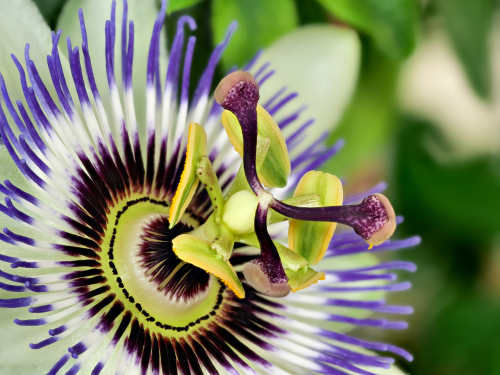
The first step to getting seeds is actually getting your passion flower to produce fruit after the flowers fade. In a home garden, this doesn’t always happen naturally, so you’ll likely need to play “busy bee” and hand-pollinate them. Just grab a small paintbrush or a cotton swab, collect some pollen from one flower, and dab it onto another.
How to harvest and plant the seeds
If you’re successful and your plant develops fruit, wait for them to ripen, harvest them, and follow these steps:
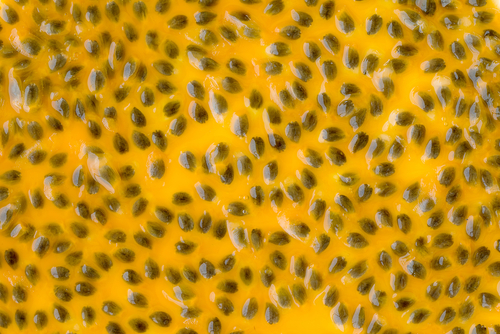
- Scoop the seeds out of the pulp.
- Give the seeds a thorough cleaning.
- Fill small starter pots with a coconut coir substrate.
- Gently press the seeds into the surface. Don’t bury them deep! Passion flowers are “light germinators,” meaning they need light to wake up.
- Keep the seeds and the soil consistently moist.
- Find a cozy, warm spot for your pots where the temperature stays between 68°F and 77°F (20-25°C).
After that, the name of the game is patience. Passiflora can be a bit slow to sprout, so don’t give up on them too early!
The easier route: Cuttings
If you’re looking for a shortcut, propagating your passion flower from cuttings is much easier. Look for a healthy side shoot about 8 inches long that doesn’t have any flower buds on it. You want a clean stem with no more than three leaves and zero signs of pests or brown spots.
Always use a sterilized blade or shears and make your cut right at the main stem to keep the plant healthy and avoid diseases. Once you have your cutting, pop it into some seed-starting mix and place the pot in a warm, bright spot. Before you know it, you’ll have a brand-new plant ready to climb!