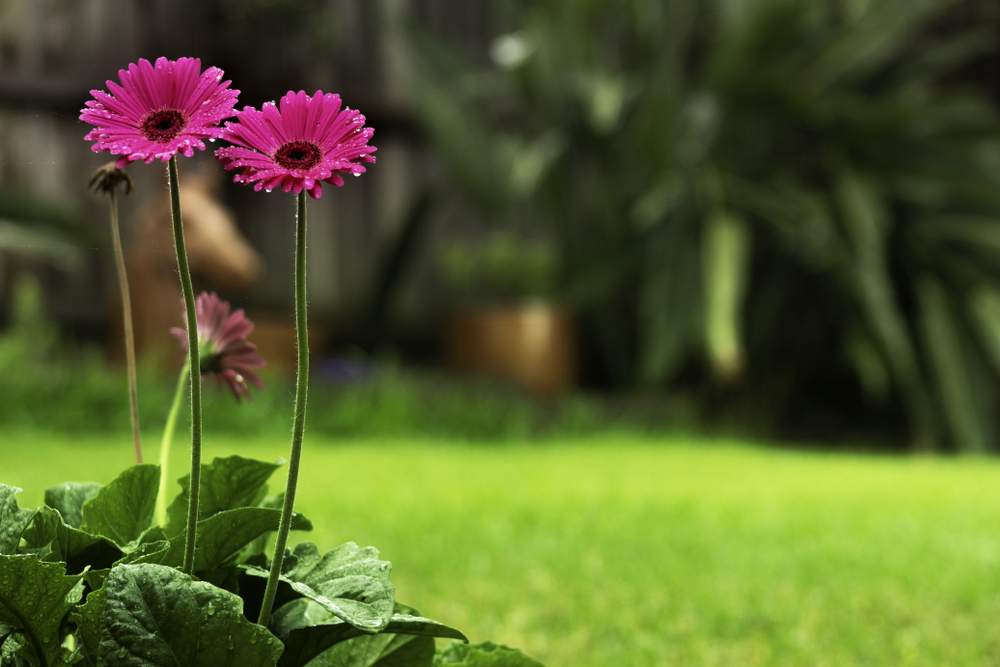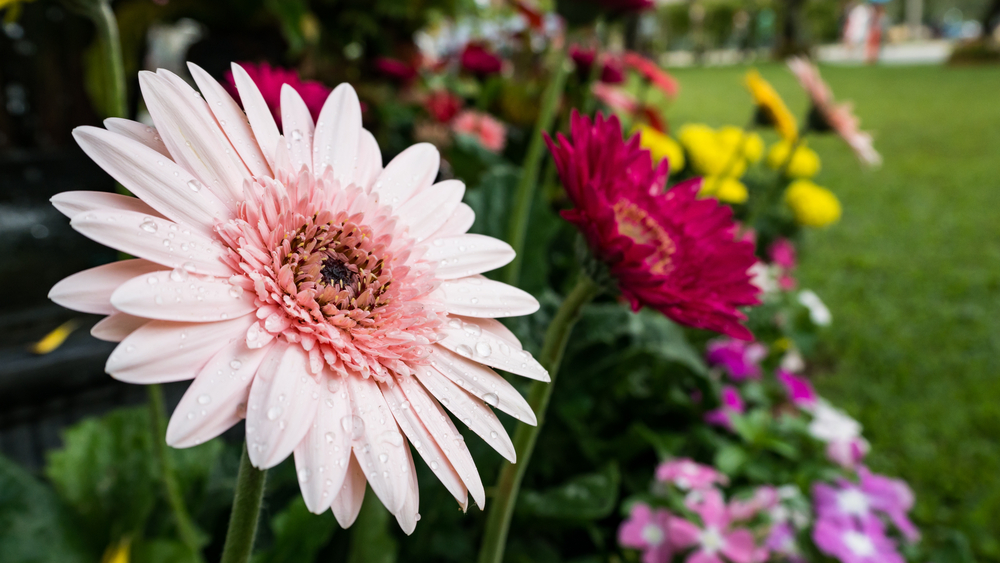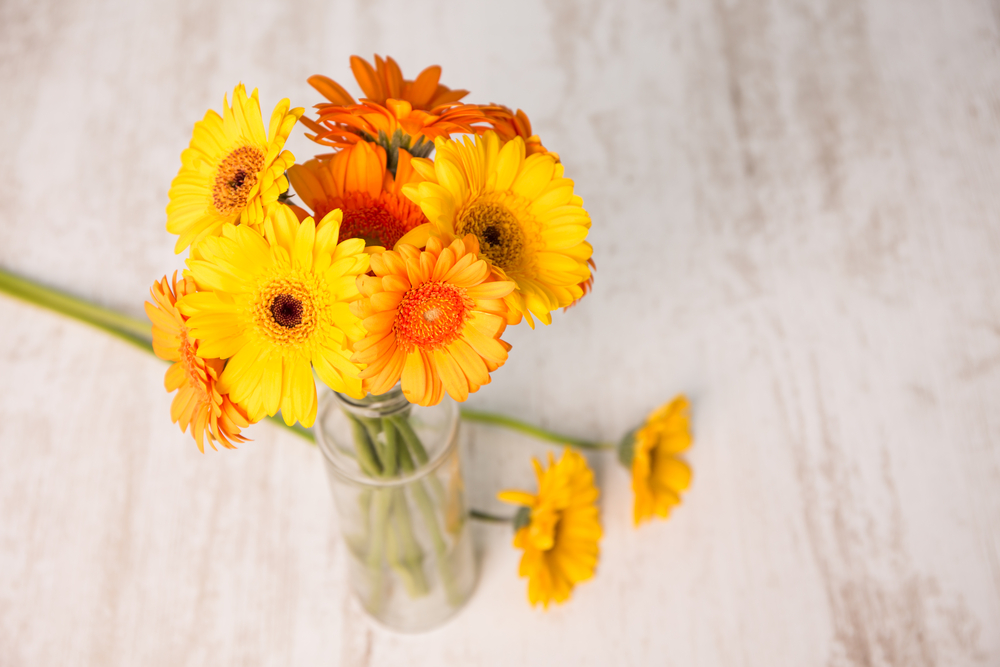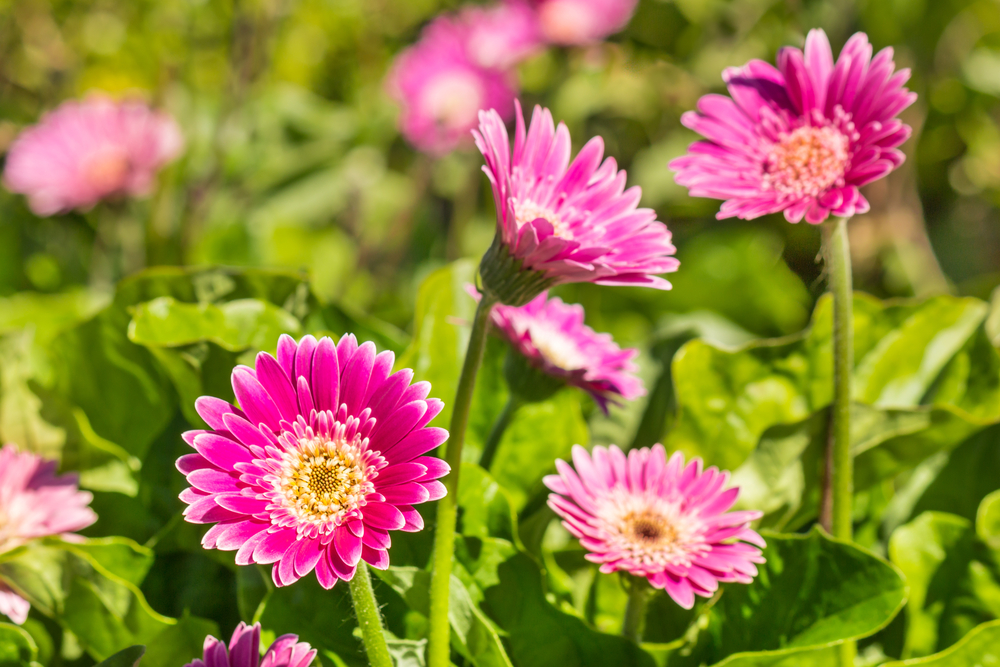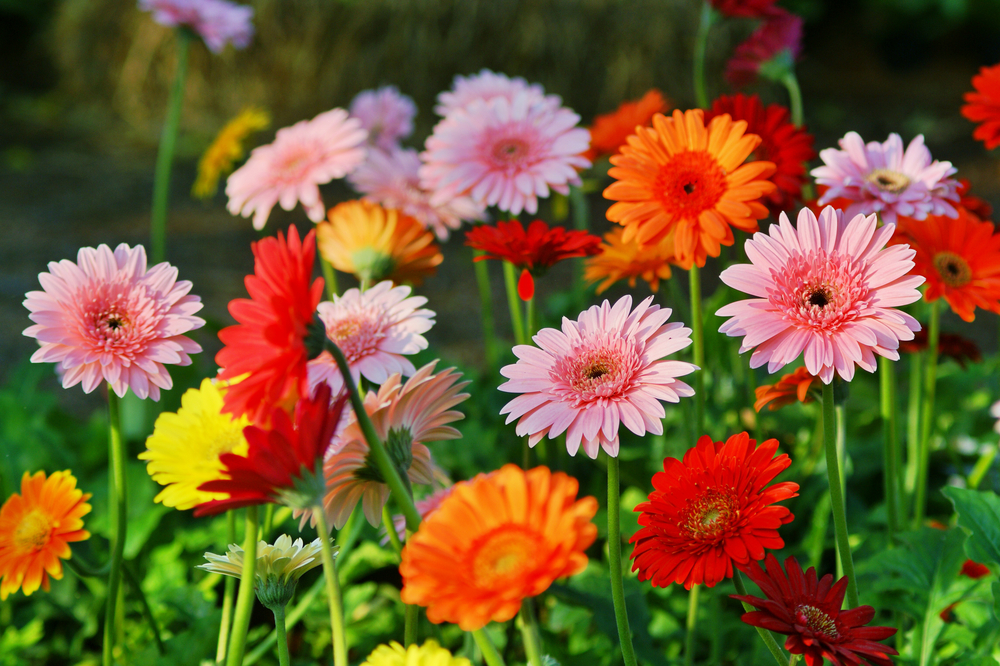
With their vibrant colors and stunning variety, it’s no wonder Gerberas are a staple in flower bouquets. Naturally, most of us want that same pop of color right in our own backyards! However, since these beauties are originally from the tropics, growing them outdoors in cooler climates takes a little extra TLC.
Plenty of Air and Light
When it comes to picking the perfect spot in your garden, Gerberas can be a bit picky. Beyond just having the right soil, they crave plenty of light and enough “breathing room” around them. The trick is finding a balance: they love the sun, but the intense midday heat can be a bit much. Try to plant them somewhere that gets bright light but stays shaded during the hottest part of the afternoon.
Fueling Those Blooms
If you want those iconic, healthy blooms to keep coming all season, you’ve got to keep your Gerberas well-fed. They are heavy feeders! Start by mixing some rich compost into the soil when you plant them in the spring. Once they’re established, give them a boost with liquid fertilizer mixed into your watering can every two weeks.
Keep the Soil Loose
Gerberas are a bit like Goldilocks when it comes to water—they like the soil to stay consistently moist, but they hate “wet feet.” Standing water is a one-way ticket to root rot, which can kill the plant quickly. To keep them happy, water regularly (during a summer heatwave, you might even need to water a couple of times a day). If your garden soil is heavy or clay-like, mix in some sand to help with drainage and keep things nice and airy.
General Maintenance
Besides the usual watering and feeding, don’t forget to deadhead! As soon as a flower starts to wither, snip it off about an inch above the ground. This tells the plant to stop putting energy into old seeds and start pumping out fresh, new blossoms.
To keep your garden Gerberas thriving, just remember:
- Pick a sunny spot with some shade during the midday heat.
- Use nutrient-rich, well-draining soil.
- Stick to a regular watering and fertilizing schedule.
- Snip off spent blooms to encourage new growth.