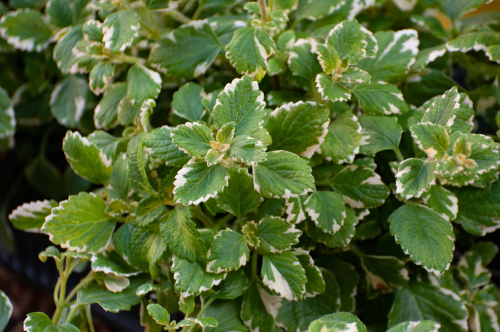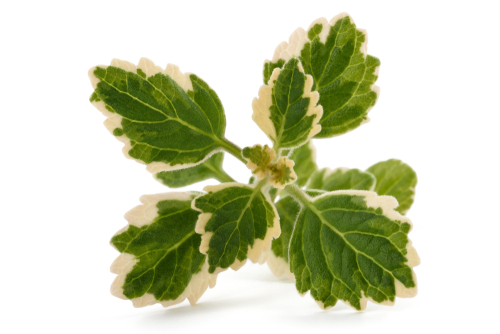
Swedish Ivy (often called the “Incense Plant” in Europe) is a total classic for balcony boxes and hanging baskets. It’s famous for that distinct, spicy aroma that smells just like church incense, though it’s actually not related to the real Frankincense tree at all. While some people love the scent, others find it a bit much. This brings up a common question: do we need to worry about toxins?
Swedish Ivy is Non-Toxic
The good news is that Swedish Ivy isn’t considered a poisonous ornamental plant. However, that strong smell comes from a high concentration of essential oils, which can be a bit polarizing. Some folks find the scent overwhelming and might even feel a little nauseous if they’re sensitive to it. Because of those potent oils, you definitely shouldn’t be snacking on the leaves—eating them can lead to stomach upset or irritation.
Interestingly, cats usually aren’t fans of the strong odor either and tend to give the plant a wide berth. If you have a specific spot in your garden where you’re trying to discourage neighborhood cats from hanging out, planting some Swedish Ivy might actually do the trick!
Keeping it Through the Winter
Since Swedish Ivy can’t handle frost and starts to struggle as soon as temperatures dip into the 40s, most gardeners just treat it as an annual. But if you have a bright, cool, frost-free spot, you can totally keep it going year-round. The best places to overwinter your plant are:
- A bright stairwell
- A well-lit garage
- A sunroom or conservatory
- A frost-free greenhouse
Just a heads-up: the plant keeps its signature scent all winter long. If you aren’t a fan of the smell indoors, or if you’re worried about curious pets nibbling on the trailing vines, you might want to skip bringing it inside. Also, if you live in an apartment building, the hallway might not be the best spot—you don’t want the neighbors complaining about the “incense” smell wafting into their units!
Replanting in the Spring
If you’ve successfully overwintered your plant, you can move it back outside into your balcony boxes or containers as soon as the danger of frost has passed in the spring. Just refresh the pots with some new potting soil. You don’t need anything fancy; a standard, high-quality potting mix works great since these plants are pretty low-maintenance and easy to please.